World Heart Day is observed every year on September 29 to raise awareness about cardiovascular health, reduce the risk of heart disease, and encourage people to adopt healthier lifestyles. Cardiovascular disease remains one of the leading causes of premature death and long-term disability worldwide.
Uncontrolled high blood pressure, diabetes, obesity, smoking, unhealthy eating habits, psychological stress, and physical inactivity can significantly increase the risk of heart disease. Alongside appropriate medication and a healthy diet, regular physical activity plays a vital role in preventing cardiovascular disease. In this regard, physiotherapy is not limited to the treatment of pain or mobility problems; it also has an important role in cardiovascular disease prevention, improving physical capacity, and rehabilitation after cardiac events.
Physiotherapy for the Prevention of Heart Disease
Regular, structured exercise helps strengthen the heart, improve blood circulation, enhance physical fitness, and maintain overall functional capacity. A physiotherapist can design a safe and individualized exercise programme based on a person’s age, physical fitness, body weight, lifestyle, and existing health risks.
Activities such as walking, cycling, stair climbing, light aerobic exercises, and appropriate muscle-strengthening exercises can help reduce physical inactivity and support healthy weight management. However, exercising correctly and at an appropriate intensity is essential, as excessive or inappropriate exercise may pose risks for some individuals.
A physiotherapist can monitor a person’s exercise tolerance, heart rate, breathing pattern, fatigue, and overall physical response and adjust the exercise programme accordingly. This makes exercise safer, more structured, and more effective.
Physiotherapy in Cardiac Rehabilitation
Following a heart attack, angioplasty, bypass surgery, or other cardiac conditions, many patients experience weakness, fatigue, reduced physical capacity, and fear of returning to normal activities. Cardiac rehabilitation is therefore an important part of recovery.
Under the supervision of a physiotherapist and the broader healthcare team, patients can gradually improve their exercise tolerance through walking and other appropriately prescribed activities. Depending on the individual’s condition, breathing exercises, chest mobility exercises, light strengthening exercises, and techniques for performing daily activities safely may also be incorporated into the rehabilitation programme.
Physiotherapy can also support the gradual restoration of mobility and physical activity following cardiac surgery, helping patients regain confidence and return to their normal daily routines.
Supporting Long-Term Lifestyle Changes
Cardiac rehabilitation is not limited to exercise alone. Long-term recovery also requires sustainable lifestyle changes. Physiotherapists can guide patients in maintaining an active lifestyle, developing regular walking and exercise habits, managing physical stress, getting adequate rest, and performing daily activities safely.
For individuals with heart disease or those at high cardiovascular risk, however, medical advice should be obtained before beginning a new exercise programme. If symptoms such as chest pain, unusual shortness of breath, dizziness, or an abnormal heartbeat occur during exercise, the activity should be stopped and prompt medical attention should be sought.
A Team-Based Approach to Heart Health
Preventing heart disease and recovering after a cardiac event require a comprehensive and coordinated approach. Regular physical activity and structured cardiac rehabilitation can play an important role in improving functional capacity and quality of life.
With coordinated care involving physicians, physiotherapists, nutrition professionals, patients, and their families, many cardiac patients can gradually regain physical confidence and return to active daily living.
Therefore, alongside appropriate medical treatment, safe, structured, and individually tailored physiotherapy and exercise should be given due importance in both the prevention and rehabilitation of cardiovascular disease.
Author:
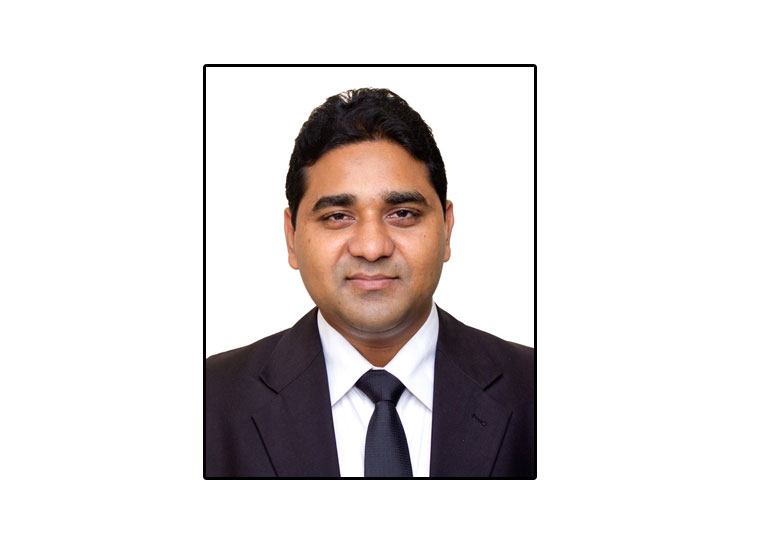
Dr. M Easin Ali
Chairman & Chief Consultant
Dhaka City Physiotherapy Hospital
Dhanmondi, Dhaka, Bangladesh
Mobile: 01787-106702