Monday ● 5 October 2026


 |


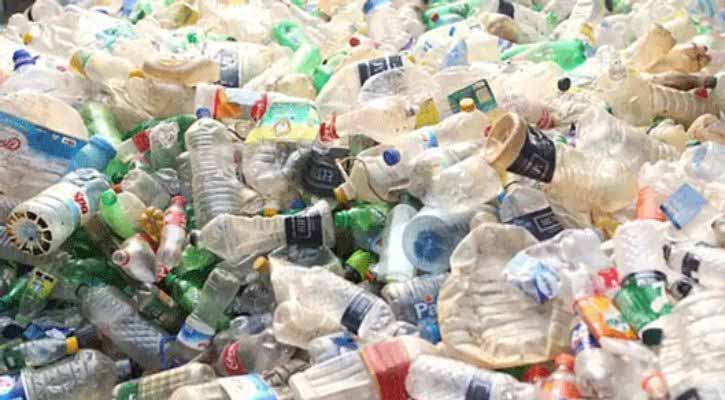
The “Extended Producer Responsibility (EPR) Guidelines for Plastic Waste Management, 2026” were issued by the Ministry of Environment, Forest and Climate Change and published in the Bangladesh Gazette on August 13.
Issued under Section 13 of the Bangladesh Environment Conservation Act, 1995, the guidelines apply to recyclable and non-recyclable plastic products produced or used in Bangladesh, along with their manufacturers, importers and brand owners. Export-oriented industries producing goods exclusively against export orders will remain outside the scope.
The guidelines classify plastic products into five categories: rigid plastic, flexible plastic, styrofoam or EPS, non-banned single-use plastic, and other products. The final category includes items such as sanitary napkins, diapers and cigarette filters.
The Department of Environment will gradually list obligated entities. Large industries will be listed during the first two years, medium-sized industries in the following two years and small industries in the fifth year. Listed companies must register within six months, with each registration remaining valid for three years.
Companies may manage their waste independently or jointly through Producer Responsibility Organisations (PROs).
During the first two years, obligated entities must collect at least 15 percent of their plastic waste and recycle 7.5 percent. From subsequent years, the targets will rise to 30 percent collection and 15 percent recycling. The targets may later be revised based on three years of implementation experience and consultations with stakeholders.
Companies collecting waste beyond their targets will be allowed to sell the surplus as plastic credits to other companies or in international markets through government-approved mechanisms.
The guidelines also require companies to submit annual progress reports. Failure to submit reports properly or on time may prevent registration renewal. The Department of Environment will conduct regular inspections, audits and data verification, while providing false information could lead to suspension or cancellation of registration and legal action.
The ministry said the EPR system will make producers, importers and brand owners directly accountable for managing their products after they become waste. It is expected to expand plastic waste collection and recycling infrastructure, while helping bring informal waste collectors into the formal system.
The government also expects the initiative to support the development of a circular economy, reduce marine plastic pollution and strengthen Bangladesh’s efforts to meet its international commitments on plastic pollution.