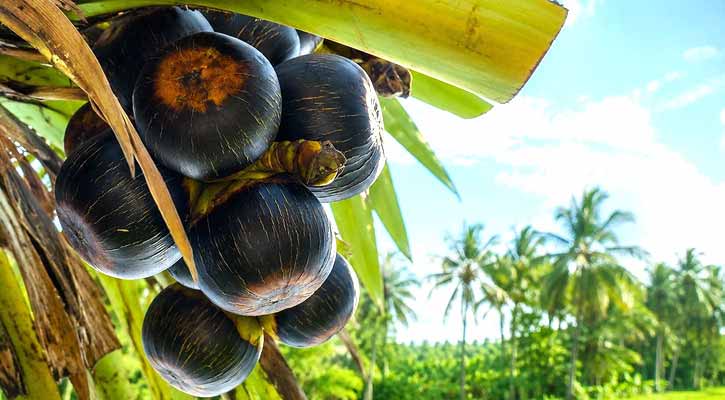
As the rainy season continues, palmyra fruit, locally known as tal, is making its seasonal appearance in markets across Bangladesh. A familiar fruit in Bengali cuisine, palmyra is enjoyed in several forms, including ripe fruit and the soft inner kernels known as talshansh.
Beyond its distinctive taste, the seasonal fruit contains dietary fibre, carbohydrates and minerals that can contribute to a balanced diet.
Supports digestion
Ripe palmyra contains dietary fibre, which can support normal digestive function. Eating it in moderation may help maintain regular bowel movements and reduce constipation.
Provides essential minerals
Palmyra contains minerals including potassium, which is important for normal muscle and nerve function. These nutrients contribute to the body's overall physiological processes.
A natural source of energy
Ripe palmyra contains natural sugars and carbohydrates, making it a source of quick energy. However, like other sweet fruits, it is best consumed in moderate amounts.
Contains antioxidants
Various parts of the fruit contain plant compounds and antioxidants that may help protect the body from oxidative stress. Including seasonal fruits as part of a balanced diet can therefore contribute to overall nutrition.
May benefit skin health
The vitamins, minerals and antioxidant compounds found in palmyra may also support overall skin health. A diet rich in nutritious foods, along with adequate water intake, can help maintain healthy skin.
Despite its nutritional value, excessive consumption of palmyra is not recommended, particularly because ripe fruit contains a relatively high amount of natural sugar. The fruit should also be consumed hygienically and in moderation.
People with diabetes or problems controlling blood sugar should consider consulting a doctor or nutritionist about an appropriate portion size.