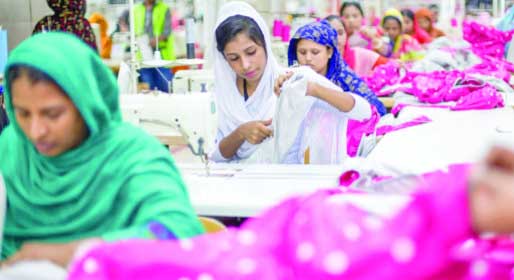
The ready-made garment (RMG) industry-Bangladesh's economic backbone-is facing severe disruption due to growing labour unrest. Mounting dissatisfaction among garment workers over unpaid wages, poor working conditions, job insecurity, and the country's shifting political climate has triggered widespread strikes, factory closures, and production halts across the country.
The ongoing unrest is threatening not only the stability of the sector but also Bangladesh's position as one of the world's leading garment exporters. Industry insiders warn that if immediate and effective action is not taken, the consequences could be devastating-both economically and socially.
Widespread Discontent Among Workers: According to sources within industry and labour groups, the unrest has been brewing for months but has intensified sharply in recent weeks. Protests have erupted across key garment-producing zones such as Ashulia, Gazipur, Narayanganj, Chattogram, and parts of Dhaka city, where thousands of workers have taken to the streets, demanding fair wages, timely payment, improved safety measures, and job security."The situation is deteriorating. Workers are angry and frustrated. They feel unheard," said a representative of a national garment workers' federation.
Key Causes Behind the Unrest: 1. Wages and Unpaid Salaries: A major cause of the unrest is the non-payment of wages. Many factories are struggling to pay their workers on time, while others are reportedly defaulting for several months. In an industry where the majority of workers live hand to mouth, delays in wage payments have a direct and devastating impact.
Moreover, demands for a revised minimum wage-to reflect rising inflation and living costs-have gained momentum among workers, especially after repeated delays in government wage board announcements.
2. Working Conditions and Safety Concerns:
Workers continue to protest unsafe working environments, excessive workloads, and a lack of proper health and safety measures in many factories. Despite previous international pressure following tragedies like Rana Plaza, many workers report that conditions remain poor in numerous production units.
"Many factories still lack adequate ventilation, proper rest areas, or emergency medical facilities," said a union leader in Gazipur. "Workers are treated like machines, not people."
3. Job Insecurity and Political Influence: The current wave of political uncertainty in the country is also believed to be contributing to the labour unrest. According to analysts, workers fear that political instability may worsen job security, particularly as factories become cautious about long-term investments and operations.
Additionally, retrenchments during low-production cycles or as cost-cutting measures are adding fuel to the fire. Many retrenched workers are now demanding reinstatement, claiming they were unfairly dismissed without proper compensation or notice.
Impact on the RMG Sector: The most immediate and visible impact of the unrest has been the closure of several factories, some of which have shut down indefinitely. These closures not only affect the livelihoods of thousands of workers but also damage the country's credibility as a reliable sourcing destination for global brands.
According to sources from the Bangladesh Garment Manufacturers and Exporters Association (BGMEA), over 30 factories have experienced temporary shutdowns in the past month alone due to worker agitation.
Production Disruption: Even in factories that remain open, production is being severely hampered by work stoppages, protests, and slowdowns. This has led to delayed shipments and increasing pressure from international buyers.
Some foreign buyers have already expressed concerns over order delays, and there are growing fears that continued unrest could lead to order cancellations or relocation of sourcing to more stable countries.
International Scrutiny: The unrest has attracted the attention of global media and labour watchdogs, once again bringing Bangladesh's labour practices under international scrutiny. In recent weeks, statements have been issued by several rights organizations urging both the government and industry stakeholders to resolve the crisis through dialogue and reform.
One European buyer told a local news outlet, "We are concerned. We want ethical production, but we also want stability. The current situation is making it difficult to plan future orders."
The Current Situation on the Ground: Protests and Strikes Ongoing: Across industrial zones, workers continue to block roads, hold rallies, and boycott work to press their demands. Some protests have turned confrontational, prompting law enforcement to intervene. In some cases, tear gas and water cannons have been used to disperse crowds.
"We will not return to work until our dues are cleared and our rights are ensured," said a protestor in Narayanganj, who claimed she hadn't received wages for two months.
In addition to wage demands, placards carried by workers also highlighted issues like sexual harassment, lack of paid leave, and long working hours without overtime compensation.
Efforts to Restore Peace and Normalcy: Industry leaders and government representatives are scrambling to de-escalate the situation. Meetings between labour unions, BGMEA officials, and the Ministry of Labour and Employment have been ongoing in an attempt to reach consensus and assure workers that their concerns are being addressed.
BGMEA President Faruque Hassan recently urged workers to return to work and not to fall into the trap of "political instigators" who may be trying to exploit the situation for ulterior motives."We are trying to resolve the issues through dialogue. But we must maintain discipline in the sector to protect our global image," he said.
Meanwhile, Labour Ministry officials stated that a tripartite mechanism involving workers, factory owners, and the government is being activated to ensure quick resolution of wage disputes and job security issues.
What Lies Ahead: With the garment industry contributing over 80% of Bangladesh's total export earnings and employing more than four million workers, mostly women, the stakes are high. The current unrest not only threatens immediate production but also endangers long-term investment and the country's hard-earned reputation in the global supply chain.
Experts warn that unless structural changes are made-such as ensuring timely payment of wages, better enforcement of labour laws, and addressing worker grievances with sincerity-the unrest may continue to flare up periodically, disrupting the sector's sustainability.
The growing labour unrest in Bangladesh's RMG sector is a wake-up call. At the heart of the protests are legitimate concerns that have long gone unaddressed. To protect both the workers and the industry, stakeholders must rise above blame games and engage in meaningful reform.Without peace and fair treatment at the factory level, the country risks losing not just business but also the trust of millions of workers who have built the industry from the ground up.