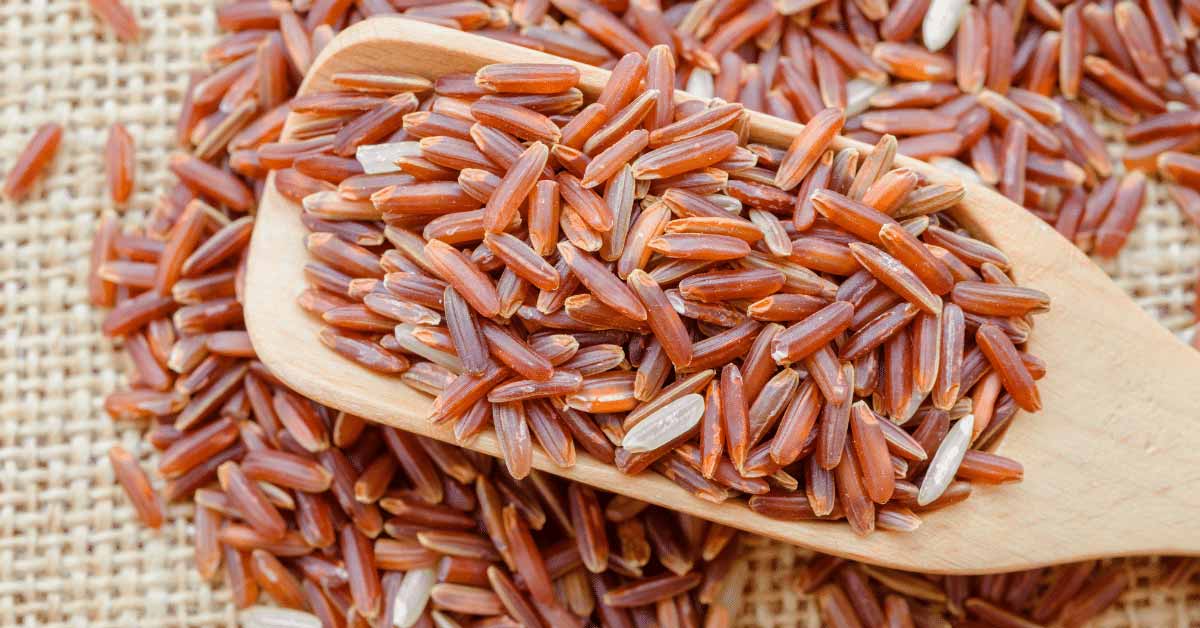
For many Bangladeshis, rice is a staple food. Among the different varieties, red rice is often considered a healthier alternative to white rice because it contains more fibre, antioxidants and essential nutrients.
Red rice is rich in anthocyanins, antioxidants that may help reduce inflammation and support overall health. Its higher fibre content can also aid digestion and help manage cholesterol levels.
Compared with white rice, red rice contains more vitamins such as B1, B3 and B6, as well as minerals including manganese, phosphorus, calcium, magnesium and iron. Vitamin B6 helps the body produce red blood cells, while iron can be beneficial for people with iron deficiency.
Red rice may also help with blood sugar management and support bone and heart health. Its antioxidants are believed to help protect the skin from oxidative damage.
However, red rice should still be eaten in moderation, particularly by people trying to lose weight or manage diabetes. Portion size remains important regardless of the type of rice.
There are also some precautions. Red rice grown in arsenic-prone areas may contain higher levels of arsenic because the outer layers of rice can retain more of the contaminant. Red rice also contains phytic acid, which can reduce the absorption of minerals such as iron and calcium.
Choosing rice from a reliable source and maintaining a balanced diet can help maximise the nutritional benefits of red rice.