Himalayan pink salt is often marketed as a healthier alternative to regular table salt because of its distinctive pink colour, natural origin and trace minerals. However, there is limited scientific evidence to support claims that it offers significant health benefits over ordinary salt.
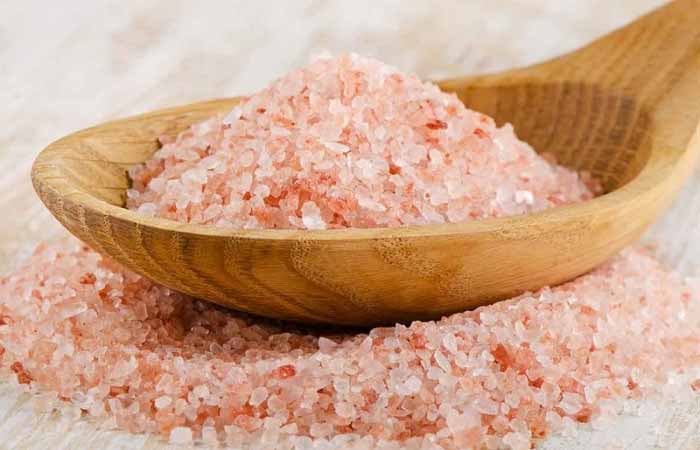
Himalayan pink salt is a type of pink-coloured salt extracted mainly from the Salt Range and Khewra salt mine in Pakistan's Punjab region, near the Himalayan region. It is believed to have formed from ancient bodies of water that dried up millions of years ago. The salt is generally hand-mined and minimally processed.
Like regular table salt, its main component is sodium chloride. It also contains small amounts of other minerals and elements. Some sources suggest that it may contain up to 84 different minerals and elements. Its pink colour is mainly attributed to trace amounts of iron.
Although the salt contains additional minerals, their quantities are generally very small. Nevertheless, various health claims have been made about Himalayan pink salt, including that it can improve respiratory problems, balance the body's pH, slow signs of ageing, improve sleep, regulate blood sugar and increase sexual desire.
Most of these claims, however, lack sufficient scientific evidence.
Pink salt is also sometimes promoted as a remedy for sleep problems. Research has indicated that consuming very low amounts of salt may contribute to sleep disturbances, suggesting that adequate sodium intake may be important for healthy sleep. However, such research has not specifically examined Himalayan pink salt.
Any potential benefit in this regard would therefore be related to sodium itself rather than a unique property of pink salt.
The trace minerals in Himalayan pink salt are also not present in quantities large enough to significantly influence the body's pH balance. The lungs and kidneys naturally regulate blood pH.
Similarly, there is no strong scientific evidence that Himalayan pink salt has specific benefits for blood sugar control, ageing or sexual desire.
Importantly, there is currently insufficient research directly comparing the health effects of Himalayan pink salt and regular table salt. Therefore, there is not enough scientific evidence to conclude that one is healthier than the other.
As with other types of salt, excessive sodium consumption can pose health risks, making moderation important regardless of the type of salt consumed.