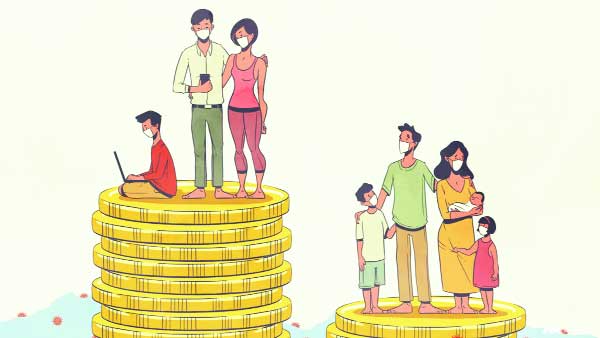
As Bangladesh grapples with economic headwinds-high inflation, investment stagnation, and slowing growth-the wealth gap between the elite and the ordinary citizen is not just widening; it’s deepening into a structural crisis. For the rich, the storm is passing. For the bottom 40 percent, each economic tremor pushes them further into precarity.
Wealth Concentration: Startling Numbers: New data from a Centre for Policy Dialogue (CPD) task force reveals that the top 10 percent of Bangladeshis control 58.5percent of the nation’s wealth, while the bottom 50 percent hold a mere 4.8percent. Another report shows the bottom 40 percent possess just 21 percent of all wealth, while the richest 10 percent hold 27 percent. These figures underscore a startling reality: wealth is concentrated in the hands of a privileged few, while the majority struggle under economic stress. Rising Inequality: Income and Wealth: Historical trends tell a grim story. The Gini coefficient-a measure of inequality-has climbed sharply: from 0.334 in 2022 to 0.436 by mid-2025, with urban inequality soaring past 0.532. This imbalance hits rural populations hard, where poor-quality education and lack of upward mobility confine millions to low-wage, unprotected jobs. 85percent of the workforce remains in these vulnerable conditions. Economic Pressures on the Poor: Inflation Outpaces Income: Wages have failed to keep pace with inflation. Food inflation now consumes 55 percent of household spending. The bottom 10 percent earn just Tk8,477/month, yet spend Tk?12,294, falling into debt for survival. In contrast, the top 10 percent earn Tk109,390, and still manage to save after spending. Escalating Debt Among the Poor:
Household debt has surged: average debt now stands at Tk189,033, over 45? percent higher than average savings of Tk130,728. The poorest 10 percent face debts of Tk62,767, yet only have Tk?19,737 in savings; the richest 10 percent maintain Tk716,265 in savings against Tk643,083 in debts. This debt isn’t for investment-it’s for day-to-day survival.
Employment: Stagnation and Underemployment: Only 38 percent of those surveyed report full-time employment, with many scrambling for work under 40 hours a week. 45 percent are self-employed in fragile, unstable jobs. Professor Mustafizur Rahman of CPD calls this an “employment emergency”, noting the rise of disguised unemployment and the hollowing out of a stable middle class.
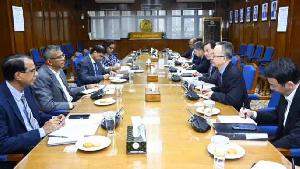
Voices from the Experts: Dr. Rumana Haque (CPD Task Force member): “Wealth inequality in the country has increased even further as the wealthy are earning even more,” calling for revitalizing the rural economy to bridge the gap.
Dr. Fahmida Khatun (CPD Executive Director): Highlights that while growth exists, inequality is rising. She urges enhanced social security, education, and healthcare funding, and a more progressive tax system to support fairness.
Mustafa K. Mujeri (INM Executive Director): Points to historical neglect of inequality, citing a lack of timely intervention even as opportunities grew-leading to current high levels of disparity. GlobalIssues.org report: Traces the rise in Gini from 0.36 in 1973 to nearly 0.50 by 2022, noting that the top 5% now capture 30% of national income, while the bottom 50% see their income share deteriorate. Experts escribed inflation as a regressive tax-hitting the poor hardest. “Small depositors are getting negative returns”-underscoring how inflation erodes the value of poor households’ savings. Social and Political Consequences: The economic divide carries deep societal costs: Erosion of Social Stability: Rising economic frustration leads to labor unrest, especially in textiles and services, and risks social discord. Reduced Access to Essential Services: Inflation and inequality drive families to cut expenses on education and healthcare-threatening long-term mobility. Growing Public Discontent: Satisfaction with government economic management has declined; price anxieties are fueling political instability. Tax System’s Role: Reliance on indirect taxation disproportionately burdens the poor. Tax evasion and weak progressivity deepen inequality.
Why Inequality Won’t Fix Itself: Despite past high-growth phases, lack of inclusive reform has allowed inequality to worsen: Growth under the previous government has been questioned as “fake”, lacking broad benefits and failing to tackle wealth concentration, as noted by interim leader Muhammad Yunus. Political disruptions and slow banking reforms further erode social trust and hamper equitable recovery.
Urgent Interventions for Equity: To prevent inequality from destabilizing society and economy, experts propose: Progressive Tax Reform: Shift toward direct taxes on the wealthy, broadening the tax base and funding public investment. Targeted Social Spending: Expand access to education, healthcare, and safety nets for vulnerable groups. Boost Rural Investment and Jobs: Spur entrepreneurship and infrastructure outside urban centers to lift millions from low-income work. Protect Real Incomes: Introduce wage indexation tied to inflation, and ensure living wage policies-especially for garment workers. Combat Asset Concentration: Introduce better regulation, transparency, and curb rent-seeking to prevent wealth hoarding.
A Divided Nation at a Crossroads: Bangladesh stands at a critical juncture. The elite remain cushioned, while millions teeter on the edge of poverty. Without deliberate inclusivity in policies, inequality will continue to unravel social cohesion and stall national progress. To truly stabilize the nation, Bangladesh must not only revive macro indicators-but ensure that prosperity touches every doorstep.