Winter brings changes not only in the weather but also in our physical and mental well-being. Many people experience dry skin, chapped lips, and cold hands and feet. Others may feel constantly tired, lack motivation, struggle to concentrate, or experience low moods. People living with arthritis may also notice increased joint pain and stiffness during this season. Colds, coughs, and other respiratory problems are also common.
Changes in weather, reduced exposure to sunlight, decreased physical activity, and seasonal changes in eating habits can contribute to these problems. Inadequate intake of essential vitamins and minerals may make certain symptoms more noticeable.
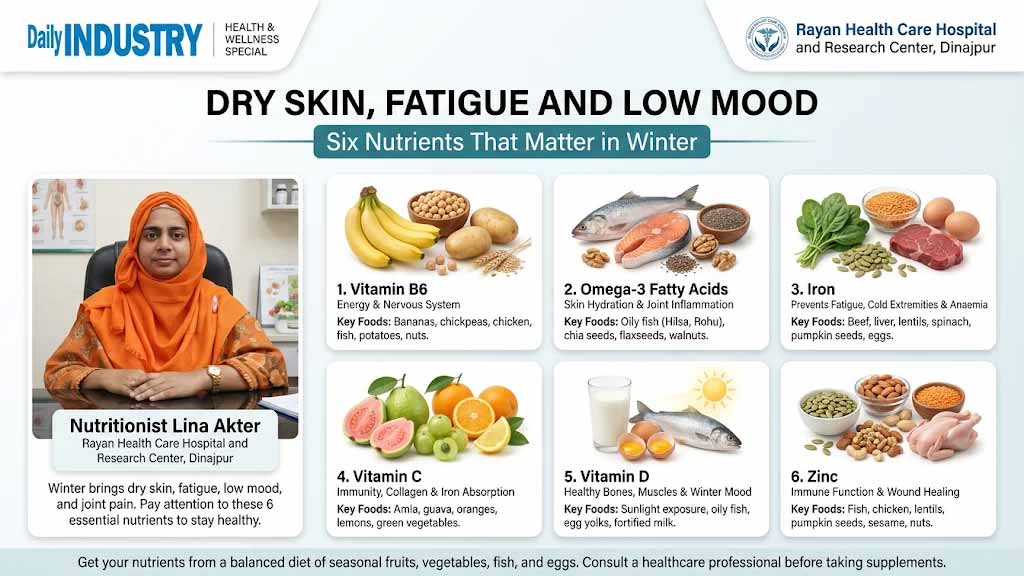
Maintaining good health during winter requires paying attention to six important nutrients.
1. Vitamin B6: Supporting Energy Levels and Nervous System Function
During winter, many people experience fatigue, sluggishness, irritability, and a lack of motivation. Changes in sleep patterns, reduced sunlight exposure, and physical inactivity may contribute to these symptoms. A deficiency of vitamin B6 can also affect normal brain and nervous system function.
Vitamin B6 is involved in the activity of more than 100 enzymes in the body. It helps produce neurotransmitters such as serotonin and gamma-aminobutyric acid (GABA), which play important roles in brain function, mood regulation, and nervous system activity.
It is also essential for converting food into energy and supporting the normal functioning of immune cells.
A deficiency of vitamin B6 may cause irritability, confusion, and neurological problems. However, taking this vitamin alone is not an adequate treatment for depression or seasonal affective disorder.
Food sources: Bananas, potatoes, chicken, fish, beef, chickpeas, soybeans, nuts, and whole grains.
2. Omega-3 Fatty Acids: Maintaining Skin Hydration and Controlling Inflammation
Dry, rough, and flaky skin is a common problem during winter. People who already have dry skin may experience worsening symptoms. Adequate dietary intake of omega-3 fatty acids can help support skin health.
Omega-3 fatty acids help maintain the structure and function of cell membranes. They also play a role in regulating inflammation in the body. Some studies have found an association between omega-3 intake, improved skin hydration, and reduced inflammation.
According to the Arthritis Foundation, omega-3 fatty acids may help reduce joint pain and morning stiffness, particularly in people with rheumatoid arthritis.
Omega-3s are also important for cardiovascular health. They help lower triglyceride levels in the blood.
Food sources: Hilsa, rohu, catla, and other oily fish, as well as flaxseeds, chia seeds, and walnuts. Eating fish regularly is one of the best ways to obtain omega-3 fatty acids through diet.
3. Iron: Preventing Fatigue, Dizziness, and Anaemia
Some people notice that their hands and feet feel unusually cold during winter. Fatigue after mild physical activity, dizziness, a racing heartbeat, and breathlessness while climbing stairs may also occur. One possible cause of these symptoms is iron-deficiency anaemia.
Women, adolescent girls, pregnant women, and those who experience heavy menstrual bleeding should be particularly aware of their iron intake.
Iron is essential for producing haemoglobin, a protein in red blood cells that carries oxygen from the lungs to different parts of the body. When iron levels are low, the body cannot produce enough haemoglobin. This may lead to fatigue, weakness, headaches, and difficulty concentrating.
Iron also supports the normal functioning of immune cells. A prolonged deficiency can affect the body's natural defence mechanisms.
Food sources: Beef, liver, fish, eggs, lentils, chickpeas, spinach, and pumpkin seeds. To improve the absorption of iron from plant-based foods, include vitamin C-rich foods such as lemon, guava, or amla in the same meal.
4. Vitamin C: Supporting Immunity and Protecting Cells
Colds, coughs, and sore throats are common complaints during winter. Vitamin C plays an important role in maintaining the normal functioning of the immune system.
Vitamin C acts as a powerful antioxidant, helping protect cells from damage caused by harmful substances known as free radicals. It also supports the normal activity of immune cells.
In addition, vitamin C is necessary for collagen production, which helps maintain healthy skin, blood vessels, bones, and gums. It also supports wound healing.
Another important function of vitamin C is improving the absorption of iron from plant-based foods. Therefore, combining lentils, leafy vegetables, or chickpeas with lemon, guava, or amla can be beneficial.
Regular and adequate vitamin C intake may slightly reduce the duration of common colds in some people. However, it does not completely prevent colds or coughs.
Food sources: Amla (Indian gooseberry), guava, oranges, sweet oranges, lemons, papaya, tomatoes, and various green vegetables. Guava and amla, which are widely available in Bangladesh, are particularly good sources of vitamin C.
5. Vitamin D: Maintaining Healthy Bones and Muscles
During winter, people often spend more time indoors and receive less sunlight. As a result, the skin may have fewer opportunities to produce vitamin D through sunlight exposure. Those who spend most of their day indoors should pay particular attention to their vitamin D status.
Vitamin D helps the body absorb calcium and phosphorus. It is essential for maintaining strong bones and teeth, supporting normal muscle function, and regulating the immune system.
A prolonged deficiency may lead to weakened bones, muscle pain, and muscle weakness.
Researchers have also investigated the relationship between vitamin D deficiency and seasonal affective disorder. According to the US National Institute of Mental Health, some people with seasonal affective disorder may have low vitamin D levels. However, research findings on the effectiveness of vitamin D supplements for this condition remain inconsistent.
Food sources: Oily fish, egg yolks, and vitamin D-fortified milk. Appropriate and moderate exposure to sunlight can also help the body produce vitamin D.
6. Zinc: Strengthening Immune Function and Supporting Wound Healing
A weakened immune system can make it more difficult for the body to fight infections. Zinc deficiency may also contribute to delayed wound healing, hair thinning, and reduced senses of taste and smell.
Zinc is an essential mineral that supports the normal functioning of immune cells, cell growth and development, and wound healing. It also helps maintain healthy skin.
A deficiency may cause hair loss, diarrhoea, reduced taste and smell, and delayed wound healing. Zinc is particularly important for the normal growth and development of children.
Food sources: Fish, chicken, eggs, lentils, chickpeas, pumpkin seeds, sesame seeds, and nuts.
Are Supplements Necessary During Winter?
The arrival of winter does not automatically mean that everyone needs vitamin or mineral supplements. Most nutritional requirements can be met through a varied and balanced diet.
Include fish, eggs, milk, lentils, vegetables, seasonal fruits, and nuts in your daily meals to help maintain adequate nutrient intake.
If you experience persistent fatigue, dizziness, muscle pain, hair loss, or prolonged low mood, consult a healthcare professional rather than starting supplements on your own. Blood tests may be recommended to identify specific nutritional deficiencies.
Excessive intake of certain nutrients, particularly iron, vitamin D, and zinc, can be harmful to the body. Supplements should therefore be taken only when necessary and with appropriate medical advice.
Staying healthy during winter involves more than wearing warm clothes. Adequate sleep, regular physical activity, a balanced diet, and sufficient intake of essential nutrients all contribute to maintaining physical and mental well-being throughout the season.
Rayan Health Care Hospital and Research Center,Dinajpur.