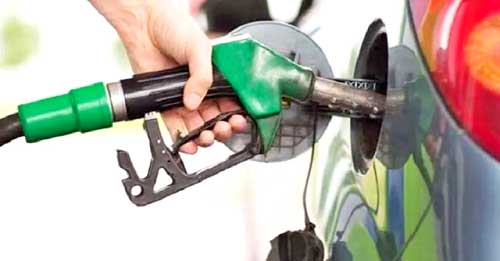
Despite repeated assurances from the government and the Bangladesh Petroleum Corporation (BPC) that the country has sufficient fuel stocks, petrol stations across Bangladesh continue to witness long queues, shortages, and public frustration-raising questions over distribution efficiency and system management.
Officials have maintained that fuel supply is secured at least until May. However, industry insiders and energy experts say the ongoing crisis is not due to a shortage of fuel, but rather systemic mismanagement in distribution and monitoring. A senior government official involved in fuel marketing operations, speaking on condition of anonymity,
told The Daily Industry that "there is still no properly planned fuel distribution system in place, and existing mechanisms are not functioning effectively."
He added, "Even though fuel is available in storage, lack of coordination and weak operational systems are making the crisis appear much larger than it actually is."
Panic Buying and System Gaps Blamed: Several government ministers and officials have repeatedly attributed the situation to "panic buying," arguing that consumers are purchasing fuel in excess of their needs. This explanation has been offered consistently over the past six weeks.
However, experts argue that such explanations overlook structural flaws in the distribution system. Energy expert Professor Shamsul Alam told The Daily Industry that while global fuel markets are under pressure due to geopolitical tensions, "in Bangladesh, mismanagement is the biggest problem." He said, "The government claims there is no fuel shortage, but the reality at petrol pumps tells a different story. Responsibility cannot end at identifying panic buying-the state must manage and control the situation effectively."
Lack of Monitoring Enables Irregular Use: Officials within the energy sector admitted that there is currently no centralized tracking system for fuel consumption. A senior official said the absence of a monitoring database allows some vehicles-especially motorcycles and private cars-to collect fuel multiple times a day, sometimes turning it into an informal resale business. "We are trying to introduce a fuel pass system, but it is still in early stages. Without digital tracking, misuse is happening," the official told The Daily Industry.
Supply Increased, But Crisis Persists: To ease the pressure, BPC has increased fuel supply nationwide. Since Monday, octane supply has been raised by 20 percent, petrol by 10 percent, and diesel by 10 percent compared to previous levels. However, officials acknowledged that the improvement in supply has not significantly reduced congestion at fuel stations.
BPC sources said fuel distribution is being benchmarked based on last year's monthly sales data, meaning dealers are receiving allocations proportional to their previous consumption levels. Even with increased supply, demand pressure at retail points remains high.
Massive Import Pipeline Ensured: BPC officials confirmed that fuel supply is secured through May, with no immediate shortage expected. The corporation has already placed orders for around 1.4 million tons of petroleum products under direct procurement arrangements. For May alone, separate import contracts include 300,000 tons of diesel, 40,000 tons of jet fuel, 25,000 tons of octane, and 75,000 tons of furnace oil. Several shipments have already arrived or are en route.
Officials said at least 26 fuel cargoes covering multiple categories have been approved between March and early May, with several vessels already unloaded and others awaiting clearance at sea.
Refinery and Crude Oil Imports Continue: To maintain refinery operations, crude oil imports are also ongoing. One Arabian crude cargo is currently waiting near Ras Tanura for passage through the Strait of Hormuz, while another shipment is expected to arrive in Chattogram shortly. The government has also approved the import of 100,000 tons of crude oil worth approximately $103 million to meet urgent demand.
Economic Impact and Pricing Concerns: Despite being profitable over the past decade, BPC has reported losses due to rising global prices. Officials estimate losses of around Tk 2,000 crore in March alone, with similar losses continuing in April. A BPC official told The Daily Industry, "We are buying diesel at around Tk 155 per litre but selling it at Tk 100, causing significant financial losses."
Fuel prices were recently increased, with diesel reaching Tk 120 per litre, octane Tk 140, and petrol Tk 135. The adjustment is expected to generate additional revenue of Tk 780 crore this month, though officials say losses will still persist.
Experts Warn of Structural Failure: Despite strong import pipelines and past profitability, experts argue that price adjustments and supply assurances are not addressing core operational weaknesses. An energy analyst told The Daily Industry, "Even in a situation where the state earns significant revenue from fuel, short-term disruptions are being worsened by poor coordination and lack of system discipline."
He added that Bangladesh's fuel demand stands at around 9 million tons annually, with BPC importing nearly 6.5 to 7 million tons, highlighting the importance of efficient management rather than supply expansion alone.
Outlook: While the government insists that fuel supply is stable, the situation on the ground continues to reflect congestion, uneven distribution, and consumer frustration. Analysts warn that without a fully digitized monitoring system, improved logistics, and stronger regulatory oversight, fuel availability alone will not be enough to prevent recurring crises in the future.