A new report by United Nations Environment Programme titled “Adaptation Gap Report 2025: Running on Empty” has warned that a massive shortfall in climate adaptation financing is pushing developing countries toward severe humanitarian and economic risks. The report says rising global temperatures and increasingly frequent climate disasters are outpacing the world’s preparedness and financial response.
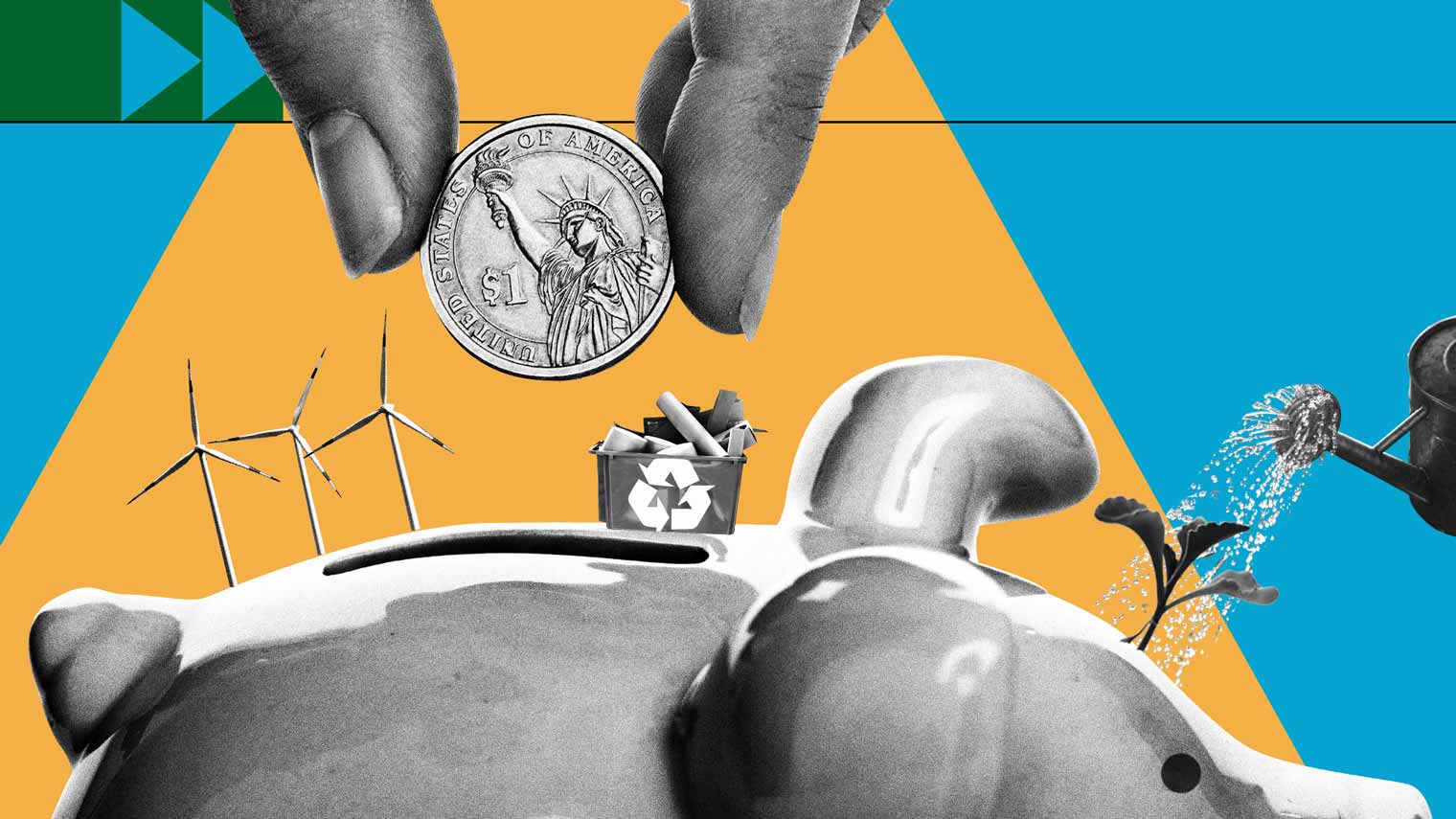
According to the report, developing countries will require between US$310 billion and US$365 billion annually by 2035 to effectively adapt to climate change impacts. However, international public adaptation finance reached only US$26 billion in 2023, marking a decline from the previous year and leaving a financing gap nearly 12 to 14 times larger than current support levels.
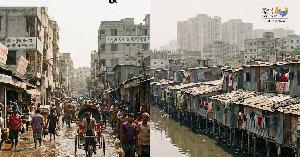
Climate-related disasters such as floods, cyclones, droughts, heatwaves, river erosion and sea-level rise are intensifying across vulnerable regions including South Asia, Africa and small island nations. Experts say adaptation measures are no longer limited to environmental protection; they are directly linked to food security, public health, agriculture, water management and housing resilience.
For climate-vulnerable countries like Bangladesh, the warning carries significant implications. Coastal salinity intrusion, irregular rainfall, rising temperatures and riverbank erosion are already disrupting agriculture, fisheries and livelihoods in many regions. Analysts fear that without urgent increases in adaptation funding, climate-induced displacement and poverty could escalate sharply over the coming decades.
The report further notes that although many countries now have national adaptation strategies and plans, implementation remains slow due to financial constraints. It also warns that current global climate finance commitments, including targets under the Glasgow Climate Pact, are unlikely to be achieved if existing funding trends continue.
Environmental experts and policymakers have urged wealthier nations to rapidly scale up climate finance commitments while ensuring funds reach local communities most affected by climate change. The report also emphasizes expanding renewable energy, community-based adaptation projects and climate-resilient infrastructure to reduce long-term economic losses and humanitarian crises worldwide.