Tea prices continued to rise at the Chattogram auction centre during the ongoing auction season, although prices and supply declined at the Srimangal and Panchagarh auction centres in the second round of auctions, according to tea sector insiders and Bangladesh Tea Board data.
Industry stakeholders said the price trend varies among auction centres mainly due to differences in the supply of quality tea. Chattogram, the country's main tea auction hub, continues to attract strong buyer demand because of the higher volume and comparatively better quality of tea offered there.
According to Bangladesh Tea Board data, a total of 1.476 million kilograms of tea was sold at the first Chattogram auction held on April 27, with the average price standing at Tk 274 per kilogram.
In the second auction held on May 4, total sales declined to 1.012 million kilograms due to lower supply. However, despite the reduced volume, the average price increased to Tk 280.52 per kilogram, indicating strong buyer interest in quality tea.
Tea sector officials said the situation was different in Srimangal and Panchagarh, where both supply and prices declined in the second auction compared with the first round.
In Srimangal, 44,129 kilograms of tea were sold in the first auction held on April 29 at an average price of Tk 267 per kilogram. In the second auction on May 5, supply fell significantly to 26,970 kilograms, while the average price dropped to Tk 243.75 per kilogram.
Similarly, Panchagarh's first auction held on April 28 recorded sales of 52,377 kilograms at an average price of Tk 231.93 per kilogram. Business representatives said both supply and prices weakened further in the second auction, raising concerns among traders over market momentum in the region.
Chattogram remains the dominant tea auction centre in Bangladesh, handling more than 95 percent of the country's marketed tea after production. In the second auction, brokers offered 1.206 million kilograms of tea for sale, of which buyers purchased around 84 percent.
Brokerage firms have already announced that 1.661 million kilograms of tea will be offered in the third auction, which is 248,184 kilograms higher than the volume offered during the corresponding auction last year.
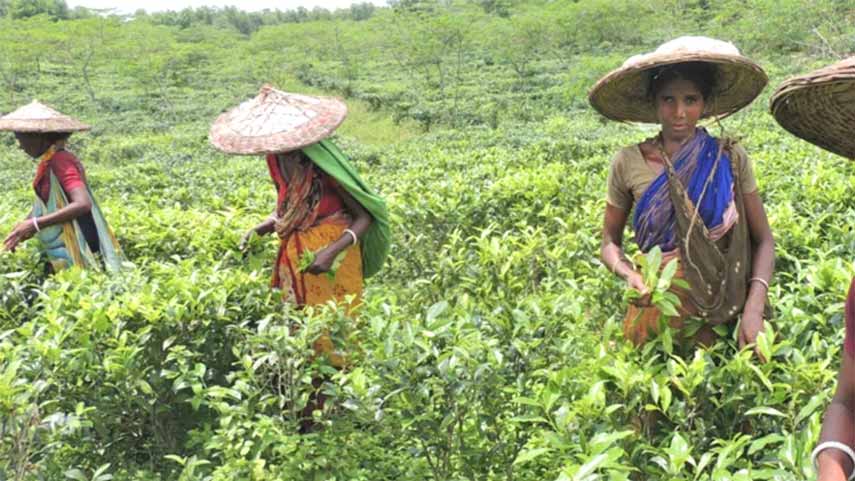
Tea garden owners said favourable weather conditions and sufficient early rainfall in April have created better prospects for tea production this season, enabling higher supply compared with the previous year.
Speaking to local media, National Tea Brokers Senior Manager Anjan Deb Barman said the Chattogram tea auction centre has been operating for more than a century and remains the most trusted and established trading platform in the country.
"Although two more auction centres are now operating in Bangladesh, Chattogram continues to receive the highest quantity and better quality tea from gardens. Buyer demand remains strong despite higher prices," he said.
He also expressed optimism about the sector's performance this year, saying favourable weather conditions are helping produce high-quality tea.
According to brokerage data, Madhupur Tea Garden recorded the highest auction price during the first auction. The garden's 500-kilogram package of Clonal Broken category GBOP tea was sold at Tk 700 per kilogram.
In the second auction, another 500-kilogram package of Madhupur garden's Clonal Broken GBOP tea was purchased by Capital Tea Company at Tk 480 per kilogram.
Other tea gardens that secured high prices in the first and second auctions included Jerin, Mirzapur, Gazipur, Khaiyachhara, Karimpur, Daragaon, Balichera, Ruthna and Kaderpur gardens.
Bangladesh's annual tea demand exceeds 90 million kilograms. During the last season, the country's 172 tea gardens produced 94.927 million kilograms of tea.
For the current season, the Bangladesh Tea Board has set a production target of 104 million kilograms. However, tea gardens produced only 597,000 kilograms during the first two months up to February.
Sector insiders expect production to increase significantly in the coming months due to favourable rainfall during April and improved weather conditions across tea-growing regions.