Every year, October 20 is observed as World Osteoporosis Day to raise awareness about osteoporosis, promote bone health and encourage early diagnosis and treatment. The 2026 campaign theme, “Build, Protect, Strengthen Your Bones for Life,” highlights the importance of maintaining healthy bones throughout life—from childhood and adolescence to older age. The campaign is led by the International Osteoporosis Foundation (IOF).
What Is Osteoporosis?
Osteoporosis is a condition in which bones become weak, porous and fragile due to reduced bone density and deterioration of bone structure. As a result, bones become more susceptible to fractures, sometimes following a minor fall or even routine daily activities.
The condition commonly affects the spine, hip and wrist. Osteoporosis often develops silently, without noticeable symptoms in its early stages. Many people remain unaware that their bones have weakened until they experience a fracture. This makes early risk assessment, prevention and appropriate treatment particularly important.
Who Is at Risk?
The risk of osteoporosis increases with age. Postmenopausal women are particularly vulnerable because declining oestrogen levels accelerate bone loss. However, men can also develop the condition, especially as they grow older.
Other risk factors include a family history of osteoporosis or fragility fractures, inadequate calcium and vitamin D intake, physical inactivity, smoking, excessive alcohol consumption and prolonged use of certain medications, particularly corticosteroids. Some chronic illnesses and hormonal disorders may also contribute to bone loss.
Recognising the Warning Signs
Osteoporosis itself usually causes no pain until a fracture occurs. However, fractures of the vertebrae may cause back pain, loss of height, a stooped posture and difficulty performing everyday activities. A fracture following a minor fall or relatively low-impact injury should never be ignored.
Bone mineral density testing, particularly dual-energy X-ray absorptiometry (DXA), is commonly used to assess bone density and help diagnose osteoporosis. A healthcare professional may recommend this test based on age, medical history, previous fractures and other risk factors.
Nutrition: The Foundation of Strong Bones
Healthy bones require adequate calcium, vitamin D and protein throughout life. Milk, yoghurt, cheese, small fish eaten with their bones, eggs, pulses, nuts and green leafy vegetables can contribute to a balanced diet that supports bone health.
Vitamin D helps the body absorb calcium. Safe exposure to sunlight, appropriate dietary sources and supplements when medically indicated can help maintain adequate vitamin D levels. However, calcium and vitamin D supplements should not be taken in excessive amounts or without appropriate advice when supplementation is needed.
Building strong bones during childhood and adolescence is especially important because these years are critical for developing peak bone mass. Nevertheless, healthy habits remain beneficial at every stage of life.
Exercise and Physiotherapy for Bone Health
Regular physical activity is essential for maintaining bone strength, muscle function and balance. Weight-bearing activities such as walking, along with appropriate resistance exercises and balance training, can help maintain physical function and reduce the risk of falls.
Physiotherapy plays an important role in osteoporosis prevention and management. A physiotherapist can develop an individualised exercise programme to improve muscle strength, posture, balance, mobility and confidence during daily activities. After a fracture, appropriate rehabilitation can help restore movement and independence.
People with established osteoporosis, particularly those with spinal fractures or a high risk of fracture, should exercise under professional guidance. Activities involving forceful forward bending, twisting of the spine or lifting heavy loads may be unsuitable for some individuals. Exercise programmes should therefore be tailored to each person’s condition and physical capacity.
Although exercise is important, it does not replace medical treatment when osteoporosis is present. Depending on fracture risk and clinical assessment, medication may be necessary to reduce further bone loss and prevent fractures.
Preventing Falls and Fractures
Fall prevention is especially important for older adults and people with osteoporosis. Keeping floors dry, removing obstacles, installing adequate lighting, using non-slip bathroom surfaces and wearing supportive footwear can make the home safer. Vision problems, balance difficulties and mobility limitations should also be assessed and addressed.
Family members and caregivers can contribute by helping older adults maintain safe mobility, encouraging regular physical activity and ensuring that prescribed treatments and follow-up appointments are not neglected.
Early Action Can Protect a Lifetime of Mobility
Osteoporosis is a major public health concern because fractures can lead to chronic pain, disability, reduced independence and a lower quality of life. Yet many fractures can be prevented through timely assessment, appropriate treatment and healthy lifestyle choices.
On World Osteoporosis Day, the message is clear: bone health deserves attention throughout life. A balanced diet, regular exercise, avoidance of smoking, fall-prevention measures and early medical intervention can all help protect bone strength.
Let us build stronger bones, protect them from avoidable risks and strengthen bone health for life. Greater awareness today can help prevent fractures tomorrow and preserve mobility, independence and quality of life for years to come.
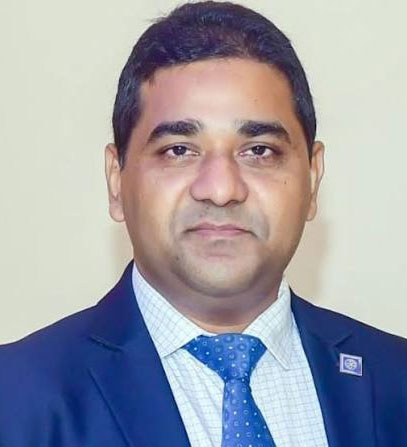
Dr. M Easin Ali
Chairman & Chief Consultant
Dhaka City Physiotherapy Hospital
Dhanmondi, Dhaka.
Email: dreasin20@gmail.com