The ambitious vision of transforming Bangladesh into an industrial hub through economic zones is facing a severe setback, as political instability, regulatory hurdles, and infrastructural shortcomings have stalled investment. Once hailed as engines of growth and employment, economic zones are now witnessing a dramatic fall in foreign direct investment (FDI), raising concerns over the country’s industrialization and job creation goals.
FDI Plummets to Historic Low: The latest data from Bangladesh Bank reveals a startling drop in FDI in the country’s economic zones. In the last March quarter, foreign investment amounted to only $100,000, marking a 93.46 percent decline compared to the same quarter of the previous year. Compared to the first quarter of the previous fiscal year, the reduction was 83.11 percent, signaling an ongoing downward trend.
Alongside falling inflows, reports indicate that several investors are withdrawing existing commitments, further exacerbating the investment crisis. Economists warn that this growing climate of uncertainty could threaten Bangladesh’s economic growth and employment prospects.
Crisis of Confidence: “The country is facing a deep crisis of investor confidence,” said Dr. Mustafa K. Mujeri, former Director General of the Bangladesh Institute of Development Studies (BIDS) and ex-Chief Economist of Bangladesh Bank.
“Investment is currently in a negative state. The social and political situation is unstable, which discourages both domestic and foreign investors. Growth in capital equipment credit and private sector lending has also fallen to its lowest level, reflecting the same trend in EPZs and special economic zones,” he added.
Dr. Mujeri further emphasized that until a political and elected government takes charge, there is little chance of improvement. With general elections scheduled for next February, he expressed hope that a participatory election could restore investor confidence and revive industrial activity.
Political Instability Discouraging Investment: Analysts point out that political uncertainty is one of the primary barriers to economic zone development. Masrur Riaz, Chairman of Policy Exchange, stated, “Investment thrives on stability. Without it, even the best policies cannot attract foreign capital.” Similarly, Dr. Mahfuz Kabir, Research Director at the Bangladesh Institute of International and Strategic Studies (BIIS), noted, “Investors are hesitant due to the lack of a stable political government and predictable policies. Political uncertainty discourages long-term commitments and leads investors to seek alternatives in other countries.”
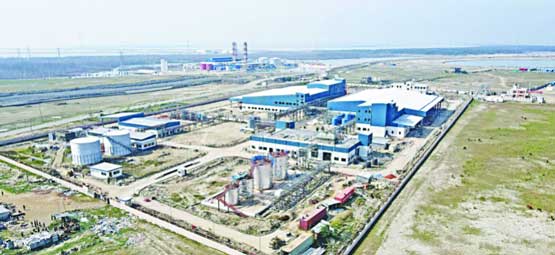
Limited Development of Economic Zones: The previous government had promised the creation of 100 public-private economic zones (EZs) across the country to spur industrial growth. However, infrastructure and facilities are still inadequate in most areas, prompting the Bangladesh Economic Zones Authority (BEZA) to focus on developing only five government-run EZs for the time being.
Chowdhury Ashiq Mahmud, Executive Chairman of BIDA and BEZA, recently said, “At this moment, there is no need to establish 100 economic zones. Developing 10 zones over the next decade will suffice. For now, BEZA will prioritize five zones and will not expand beyond this for the next couple of years.”
Infrastructure and Plot Readiness Challenges: Business leaders have highlighted significant infrastructure deficiencies in the economic zones. Roads, gas, electricity, and water supply remain inadequate, discouraging investors.
Dr. Mahfuz Kabir explained, “One major reason for the lack of investment is that plots are not ready. In successful countries, investors receive fully prepared plots and can immediately start production. In Bangladesh, this is not the case. At places like Mirsarai, the largest economic zone, entrepreneurs struggle to access necessary utilities like water and electricity. Until these are resolved, investment cannot happen.”
He added that disputes over land with local communities further hamper the process, causing investors to shift their focus to other countries with more streamlined procedures. “In Bangladesh, setting up a garment factory requires 60-70 permits and takes an unusually long time. In competing countries like Vietnam, this process is much faster,” he said. EPZs Also Face Investment Decline: The situation is not limited to economic zones. Investment in export processing zones (EPZs) has also fallen. According to the Bangladesh Export Processing Zones Authority (BEPZA), FDI in EPZs decreased by 19.59 percent in the last March quarter. Furthermore, between July and December of the 2024-25 fiscal year, foreign investment in EPZs dropped by 22.33 percent following the political unrest and July movement.
Despite this decline, EPZ exports rose by 22.41 percent, showing that while production and exports continue, the investment pipeline is shrinking, posing risks for future expansion.
Economists Warn of Employment Implications: Economic zones were designed to be a major source of employment for millions of people. With investment dwindling, job creation is slowing dramatically. Without new investment, production growth will stagnate, leaving the country unable to absorb the growing workforce entering the labor market. Dr. Mujeri noted, “Without foreign or domestic capital inflow, employment generation and industrialization will be severely hampered. The positive economic impact promised by economic zones will remain largely theoretical unless confidence is restored.”
Tax Burden and High Interest Rates: Experts also point to high taxation and expensive credit as deterrents. Investors cite cumbersome procedures, lengthy approvals, and high operational costs as factors that push them to consider alternative markets.
“Even potential investors who want to come to Bangladesh are deterred by bureaucratic hurdles and the high cost of borrowing. If these conditions are not addressed, economic zones will fail to attract the intended scale of investment,” said Dr. Mahfuz Kabir.
Way Forward: Policy analysts suggest several measures to revive investor confidence in economic zones: Political Stability: Ensure a transparent, participatory election to establish a stable government. Infrastructure Development: Complete utility connections, ready plots, and roads in all prioritized zones. Streamlined Processes: Reduce permits and approvals required to set up businesses. Financial Incentives: Offer lower interest rates and tax breaks for investors in EZs.
Land Dispute Resolution: Address conflicts with local communities promptly to secure plots for investors.
Promote Transparency: Establish a clear regulatory framework to reassure investors about long-term commitments.The dream of industrialization and mass employment through economic zones is currently under threat due to political uncertainty, weak infrastructure, and bureaucratic hurdles. FDI, once seen as a key driver of growth, has plunged to historic lows, while investors withdraw or delay commitments.
Experts agree that unless political stability is restored and practical measures are taken to streamline investment procedures, the promise of economic zones in Bangladesh will remain unfulfilled.
“The situation is critical, but not irreversible,” said Dr. Mujeri. “With a committed, elected government, focused infrastructure development, and investor-friendly policies, Bangladesh can still revive its economic zones and realize their potential as engines of growth and employment.”
For now, however, the investment disaster in the economic zones underscores the urgent need for political, administrative, and infrastructural reforms. Without these interventions, the grand vision of industrialization and employment may continue to fade under the shadow of uncertainty.