A recent scenario in the volatile geopolitics of the Middle East has forced the world to rethink. On the one hand, the ceasefire announced between the United States and Iran has brought relief to the world. On the other hand, the hardline stance that Israel has maintained by keeping Lebanon out of the equation raises questions. Why this duality of peace and conflict in the same region?
The ceasefire with Iran is not a sudden impulse, it is a well-planned strategic decision. The global economy is under threat as the Strait of Hormuz, one of the world's most important energy supply routes, is in crisis. As a result, it was essential for the major powers to quickly reduce tensions. In this reality, peace here is a reflection of humanity as well as interests. That is, a kind of 'peace based on interests', where economics and security work together.
But the context in Lebanon is completely different. At the heart of the conflict is the long-standing rivalry between Hezbollah and Israel. While the conflict does not directly disrupt global trade or energy security, it is creating a profound humanitarian catastrophe.
Yet international diplomatic pressure has been relatively limited. The reality is that Lebanon will be destroyed, but the global order will avoid a major shake-up.
Hidden within this duality is an uncomfortable truth; there is no equality when it comes to world peace. Where global interests are at stake, a quick ceasefire is the norm; where only a small state is affected, protracted conflict is almost accepted as normal. This view is not only morally questionable but can also lead to greater instability in the long run.
In this context, India's diplomatic approach can serve as an important example. India's foreign policy has repeatedly emphasized that sustainable solutions to conflicts are possible not only through the use of force, but also through dialogue and balanced diplomacy. This concept of 'strategic autonomy' and 'balanced diplomacy' has become relevant in the current crisis in the Middle East.
The question is, if the path to talks with Iran can be kept open, is it not also possible in Lebanon? The UN has repeatedly called for a comprehensive ceasefire - not just in one region, but across the entire conflict zone. Partial acceptance of this call is not effective; rather, it creates double standards.
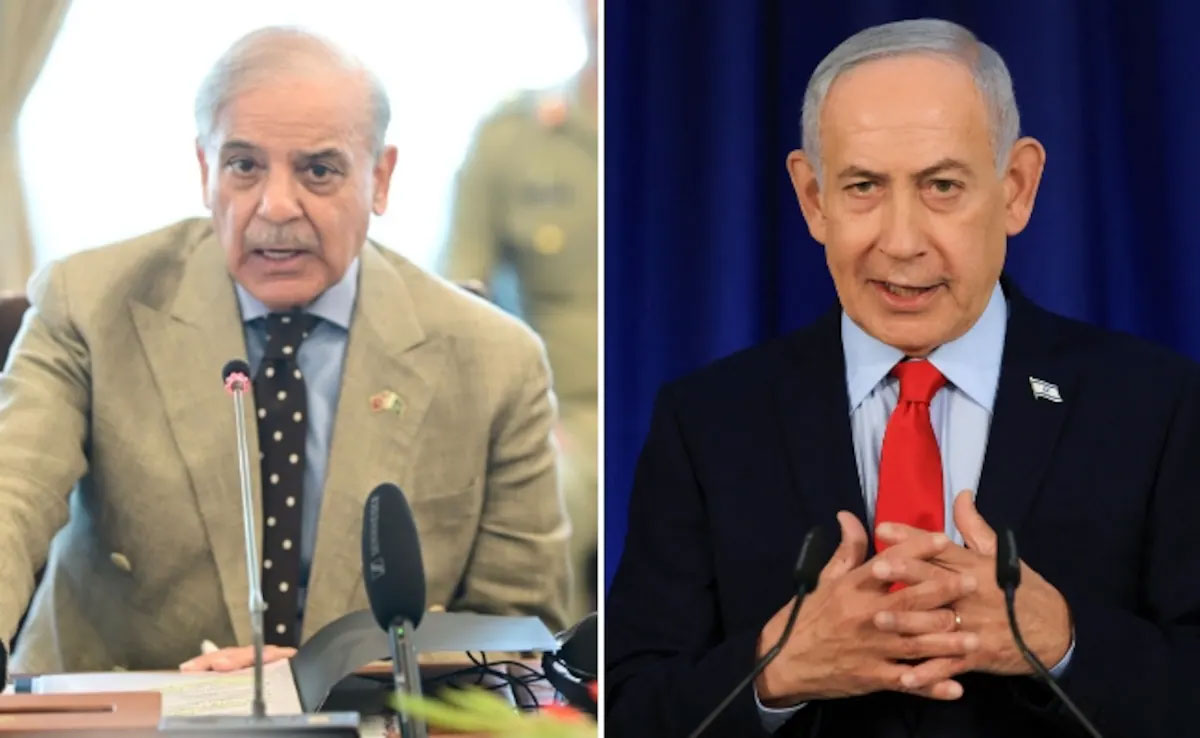
It is important for the government of Benjamin Netanyahu to understand this reality. As important as ensuring the security of a state is, so is the responsibility to establish lasting peace. History shows that while it is possible to establish temporary control through military force, lasting peace comes only through a political solution.
The world today stands at a crossroads. The ceasefire with Iran is undoubtedly a positive step, but if it proceeds by ignoring crises like those in Lebanon, it is not a complete peace but a partial one. If peace is truly the goal, it must be universal, equal, and just.
The question remains - why a ceasefire with Iran, but not with Lebanon? The answer to this question must be sought, because therein lies the future of the Middle East and the path to true world peace.