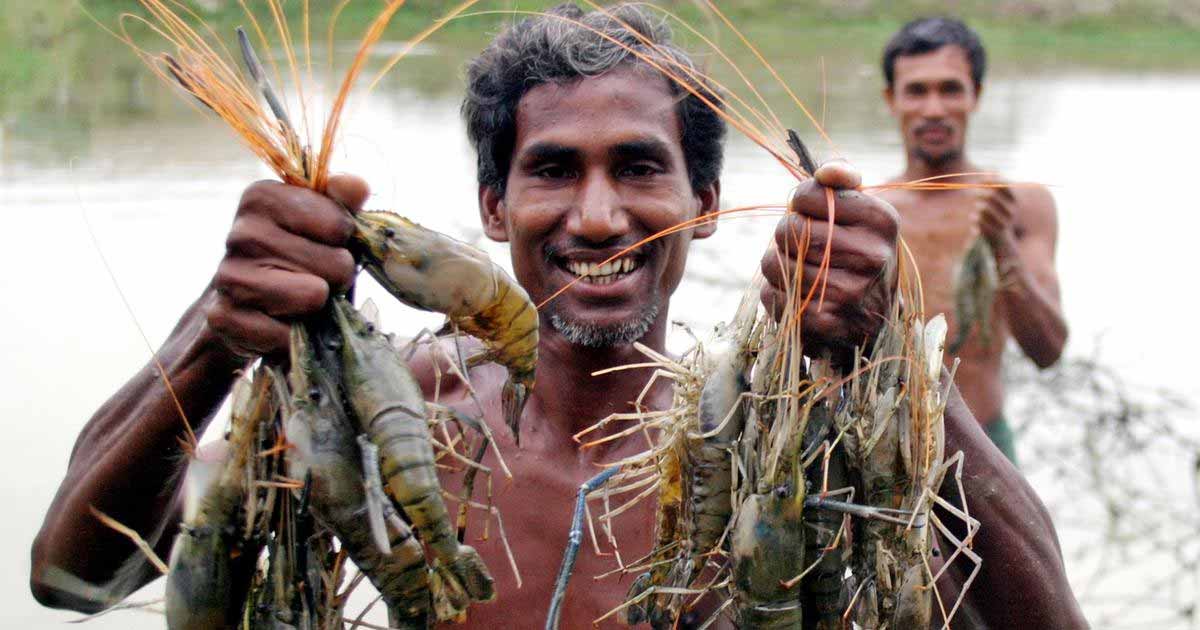
Faced with a drastic decline in marine resources, particularly shrimp, Bangladesh’s seafood processing industry is undergoing a strategic shift. Once-bustling fish processing lines are now being repurposed to produce frozen items like parathas, samosas, and singaras to stay afloat.
The frozen fish export sector, which once generated nearly $1 billion annually, has plummeted to approximately $450 million. Industry giants like the Seemark Group have seen their export earnings drop from $60 million to $20 million. To bridge this gap, they are increasingly relying on the frozen snacks market.
According to the Bangladesh Frozen Foods Exporters Association (BFFEA), the crisis is driven by:Environmental Degradation: Pollution is driving fish into deeper waters, while urbanization is shrinking inland water bodies.Ecosystem Damage: Excessive use of fertilizers and pesticides is destroying aquatic habitats.Delayed Adoption: Bangladesh lagged behind competitors in farming high-yielding Vannamei shrimp. India produces 1.5 million tons of Vannamei from 1 lakh hectares, while Bangladesh produces only 1 lakh tons from double the land area.
Out of 75 member factories under BFFEA, only 30 remain operational.Despite the slump in seafood, exporters have a competitive edge in the frozen food market. Their facilities already meet stringent international safety standards, such as HACCP, and they hold vital export health certifications.
Kamrul Alam, Vice President of BFFEA, noted that without this pivot to ready-to-cook meals, many more factories would have shuttered, leading to massive job losses. Major players like Total Food Processing, ACI Foods, and Apex Foods have also joined this diversification trend.The global frozen food market is projected to reach $841 billion by 2033. Bangladesh is well-positioned to capture a slice of this pie, particularly in the UK and EU markets.
British High Commissioner Sarah Cooke, during a recent visit, highlighted the benefits of the Developing Countries Trading Scheme (DCTS).
"Nearly 99.8% of Bangladeshi products enjoy duty-free access to the UK. This is a real opportunity for the economy and employment," she said, noting that British consumers beyond the Bengali diaspora are now buying these products.While the shift offers a lifeline, significant hurdles remain. Experts and diplomats point to:
Infrastructure Gaps: A lack of modern logistics and cold chains.Innovation Deficit: Limited research and development for new product lines.Skilled Labor: A shortage of trained workers, particularly women, to handle advanced food processing technology.
While frozen snacks are currently acting as a "shield" against total collapse, industry leaders believe that with proper policy support and infrastructure investment, this pivot could turn into a major export engine for the country.