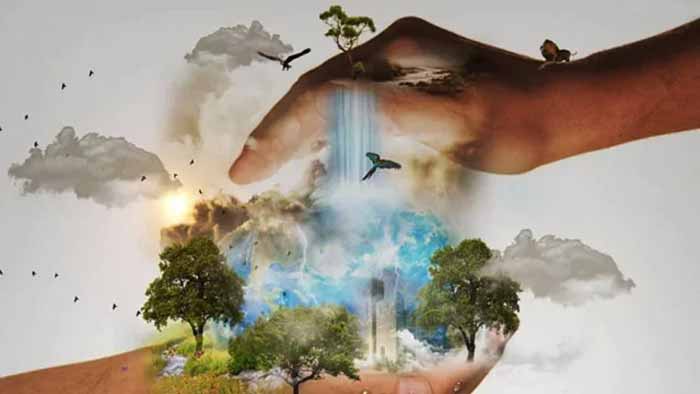
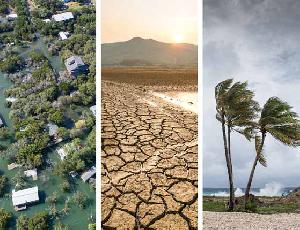
Climate change is rapidly reshaping weather patterns across the globe, with extreme rainfall, prolonged droughts, and powerful cyclones becoming increasingly common. In Bangladesh, these events are no longer isolated incidents but part of a growing climate reality.
Experts say rising global temperatures are warming the atmosphere and oceans, disrupting natural weather cycles and increasing the frequency and intensity of extreme weather. As a result, Bangladesh is facing rising salinity in coastal areas, river erosion, flash floods, prolonged heat waves, and growing uncertainty in agricultural production, posing serious risks to food security and the economy.
Low-income communities, farmers, fishermen, and coastal residents are among the hardest hit. Many families are losing their livelihoods and becoming climate migrants, while increasing migration to urban areas is creating new social and economic challenges.
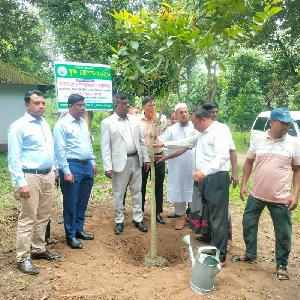
Environmental experts emphasize that disaster response alone is no longer enough. They call for long-term climate adaptation, sustainable development, greater use of renewable energy, forest conservation, and large-scale tree planting. They also stress the importance of developed countries fulfilling their commitments on climate finance and technology transfer.
Experts agree that tackling climate change requires collective action. Governments, communities, young people, businesses, and the international community must work together to build a safer and more sustainable future, as today's decisions will shape the world for generations to come.