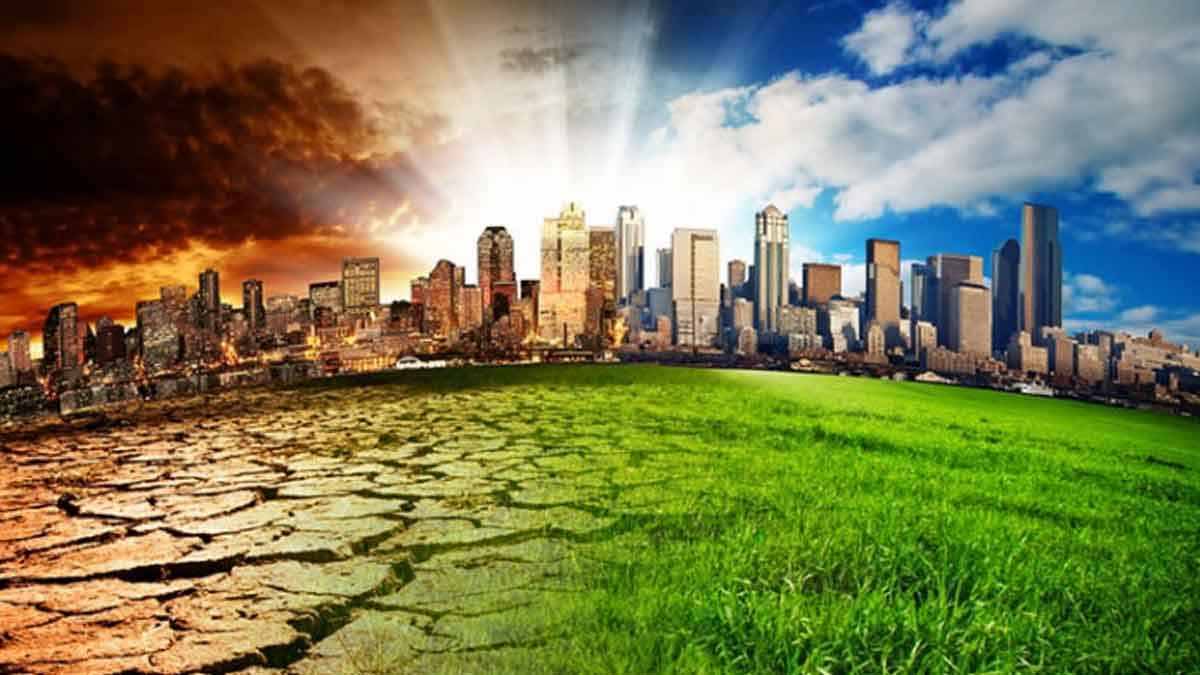
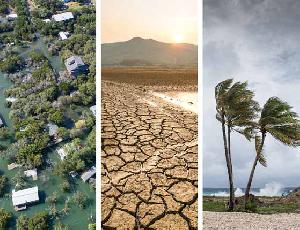
Climate change is no longer a future concern but one of the world's most pressing realities, with rising temperatures, extreme rainfall, prolonged droughts, cyclones, river erosion, and sea-level rise threatening millions of lives. Bangladesh remains among the countries most vulnerable to these impacts.
Experts say addressing the climate crisis requires more than government action. They stress the need for collective efforts by individuals, families, educational institutions, businesses, young people, and local communities. Planting trees, protecting forests, reducing plastic use, expanding renewable energy, recycling waste, and adopting environmentally friendly lifestyles are seen as essential steps.
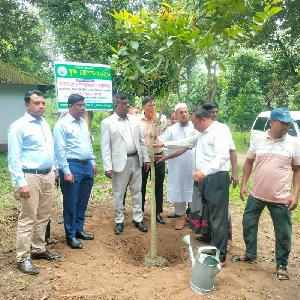
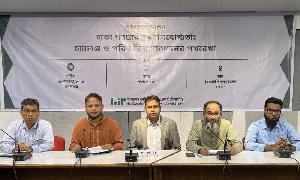
Youth-led environmental initiatives are already making a positive impact through tree-planting campaigns, river and canal clean-up drives, climate awareness seminars, sports-based environmental campaigns, and local green projects, demonstrating that small actions can lead to meaningful change.
Experts also emphasize the importance of sustainable urban planning, wetland conservation, investment in renewable energy, and climate-resilient agriculture. They urge developed nations to fulfill their commitments on climate finance and technology transfer to support vulnerable countries.
They conclude that tackling climate change is a shared global responsibility, and every green initiative today contributes to a safer and more sustainable future for the next generation.