Bangladesh’s economy faces mounting risks in FY2026-27 as persistent inflation, sluggish revenue collection, weak GDP growth and external sector vulnerabilities threaten macroeconomic stability, according to the Finance Ministry’s Medium-Term Macroeconomic Policy Statement.
The policy paper warns that inflation could average 9.1% this fiscal year, well above the budget target of 7.5%, potentially dampening economic growth, investment and consumer purchasing power. It also highlights growing fiscal pressures from state-owned enterprises (SOEs), fragile banks, government-backed liabilities and climate-related disasters. The report cautions that unless these risks are addressed promptly, budget implementation, revenue mobilization and development projects could come under severe strain, although some pressures are expected to ease in FY2027-28.
Economists said the government’s recognition of the risks is a positive step, but stressed that policy inconsistencies could undermine efforts to stabilize the economy.
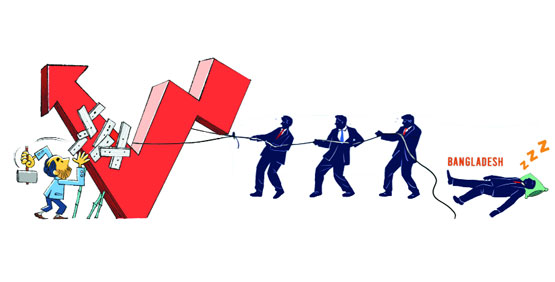
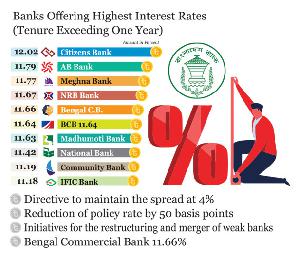
“The Finance Ministry’s assessment is more realistic than the budget projections, but the actual situation may be even more challenging,” Professor Abu Ahmed, economist and former chairman of the Department of Economics at the University of Dhaka, told The Daily Industry. He argued that the government’s fiscal and monetary policies remain out of sync. “The government wants higher investment, yet private sector credit growth has been capped at just 6.8% for the next six months and 8% for the full fiscal year. In previous years, credit growth ranged between 14% and 23%. Without expanding affordable credit, investment cannot recover,” he said. Abu Ahmed also noted that lower borrowing costs are essential to revive business activity. “Entrepreneurs will not invest if financing remains expensive. A contractionary monetary policy cannot deliver higher investment. The government must align its monetary and fiscal strategies,” he added. Inflation remains a major concern: The ministry warned that higher-than-expected inflation could increase production costs, weaken industrial output, discourage investment and reduce employment opportunities. It also cautioned that prolonged high inflation could push Bangladesh into a “high inflation-low growth” cycle, hurting productivity and living standards.
External sector risks are also rising, with the report warning that pressure on the balance of payments could reduce foreign exchange reserves, complicate import financing, debt servicing and exchange rate management. Weak economic growth could further erode the tax base, reducing VAT, income tax and import-duty collections while government spending on subsidies and social protection remains elevated. SOEs and banking sector add fiscal pressure: The report identifies the liabilities of state-owned enterprises as another major fiscal risk. At the end of FY2023-24, the combined liabilities of 122 state-owned enterprises stood at Tk 833,216 crore, reflecting years of financial losses and weak operational efficiency.
The ministry also expressed concern over government guarantees for infrastructure projects and state enterprises, noting that any default could create significant contingent liabilities for the treasury.
The banking sector remains another source of vulnerability due to liquidity shortages, capital deficits and deteriorating asset quality in weaker banks. The report warns that government support may be required if major banks encounter financial distress.
The policy statement also highlighted natural disasters and geopolitical tensions as key uncertainties. Floods, cyclones and other climate-related events continue to impose heavy reconstruction costs, while rising tensions in the Middle East are increasing global prices of fuel, food, fertilizer and industrial raw materials, adding further pressure on Bangladesh’s import bill.
The Finance Ministry recommended stronger revenue administration, tighter inflation management, higher productive investment and better coordination between fiscal and monetary policies to reduce vulnerabilities.
Economic analysts said restoring investor confidence, strengthening governance and improving policy coordination will be essential to safeguarding macroeconomic stability.”Identifying the risks is important, but implementation is what matters. Without coordinated reforms, the economy will remain vulnerable to both domestic weaknesses and external shocks,” Professor Abu Ahmed told The Daily Industry.