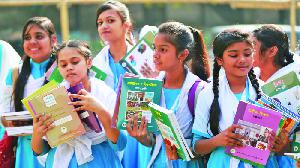
The beginning of the academic year in Bangladesh is traditionally marked by a festive rush as students receive their free textbooks. However, delays in textbook distribution have become a recurring concern, and there are fears that the trend may continue next year.Last year, many students had to wait until March and April to receive their textbooks, well after the official start of classes. In an effort to prevent a repeat scenario, the National Curriculum and Textbook Board (NCTB) initiated early preparations and drafted a roadmap to ensure timely delivery of books for the 2026 academic year. Despite these efforts, sources within the NCTB indicate that procedural obstacles and tender-related complications have cast doubt on whether textbooks will reach students on time.Early Preparations Hampered by Procurement Issues: According to NCTB sources, the board completed the tender processes for secondary school textbooks and submitted them to the procurement committee for final approval. However, the committee did not approve printing for classes VI to VIII, raising concerns that approvals for classes IX and X are unlikely.
Consequently, NCTB must now re-tender approximately 21 crore textbooks for secondary and equivalent levels by the end of the year.Of these, re-tenders have already been issued for books for classes 6 and 7, while printing for other classes remains at the tender stage. Officials point out that the printing process will take more time, creating uncertainty over whether students will receive their textbooks at the start of the academic year.Unlike previous years, NCTB has decided not to resort to international tenders this time, opting instead to assign printing to domestic institutions.Changes in Procurement Rules: The delays are partly linked to amendments in the Public Procurement Rules (PPR) 2008. During an August meeting of the Advisory Committee on Procurement, modifications were made to Rule 83(1)(a), which originally mandated 42 days for tender preparation and submission in an open tender process.
The revised rule allows this period to be reduced to 15 days in urgent or disaster situations.Even with the shortened timeframe, there are multiple procedural steps before printing can begin: NCTB prepares and submits the file to the Ministry of Education. The Ministry presents it to the Procurement Committee for approval. After approval, agreements are signed with press owners. Press owners are then allotted 70 days for initial printing, with potential extensions. According to sources, the printing of some secondary school textbooks may start in early October, while others may only begin at the end of October. Even with a 70-day production window, delays could push delivery to mid-January or later, making on-time distribution a significant challenge.Primary Level Books Approved: On a more positive note, the procurement committee has approved the printing of 9 crore primary-level textbooks, which is expected to progress smoothly. However, for secondary school textbooks, there remain unresolved issues.On August 19, three proposals were submitted to the procurement committee to print 11.89 crore books for classes 6 to 8, at an estimated cost of Tk 603.37 crore. The committee, citing complaints and irregularities, did not approve these proposals.Meanwhile, tenders for Madrasa-level Ebtedayi books and classes 9-10 have been evaluated and forwarded to the Ministry of Education, though they too face scrutiny due to ongoing tender controversies.Quality Concerns and Press Syndications: The tendering process for free textbooks has historically been marred by allegations of corruption and low-quality production. Press owners often participate through syndicates or informal agreements, and in the 2025 academic year, at least 40 printing presses supplied substandard textbooks.There have also been serious allegations regarding the inspection agencies responsible for certifying book quality. Some agencies reportedly approved low-quality books in exchange for financial incentives, allowing them to enter the supply chain despite deficiencies.Political Sensitivities in Re-Tendering: NCTB officials acknowledge that press owners linked to the previous government may participate in the re-tender. While these presses are likely to secure some work, NCTB is reportedly seeking ways to prevent those with direct affiliations to the Awami League from receiving contracts, in order to ensure a fair and transparent process.Prof. Dr. Riyad Chowdhury, NCTB member for textbooks, confirmed that tenders for class 6 and 7 books have already been issued. While the tender and approval processes have been shortened this time, printing remains challenging due to the reduced number of books — 100 million fewer than last year — and the need to distribute work among a greater number of printing presses.According to Dr. Chowdhury, although primary textbook production is proceeding efficiently, completing secondary textbooks by December remains difficult, even under the revised schedule.Impact on Students and Schools: Delayed textbook distribution has far-reaching consequences for students, teachers, and schools. Without books, students struggle to follow the curriculum, while teachers are forced to rely on improvised teaching materials. The resulting learning gap can have long-term impacts on student performance and academic progression.Parents, too, express concern over the lack of timely books, fearing that their children may fall behind. In many rural areas, private purchase of textbooks is not feasible, making the government’s free textbook program a critical lifeline.Education experts argue that repeated delays undermine confidence in NCTB’s ability to manage the textbook supply chain, highlighting the need for a comprehensive solution that addresses tender inefficiencies, press capacity, and quality monitoring.Steps Taken to Improve the Situation: NCTB is reportedly taking multiple measures to mitigate delays: Domestic Printing Priority: Avoiding international tenders this time to speed up the process. Shortened Tender Timeline: Reducing the tender preparation and submission period from 42 to 15 days under Rule 83(1)(a) of PPR 2008. Expanded Press Participation: Increasing the number of printing presses to distribute workload and reduce pressure on individual presses. Monitoring Quality: Strengthening oversight mechanisms to prevent the distribution of low-quality books.Prioritizing Primary Books: Ensuring that 9 crore primary textbooks are produced on schedule, establishing a smoother baseline for secondary-level printing.Even with these measures, NCTB officials caution that the complexity of the tender and printing process could still result in delayed delivery for some secondary school textbooks.Challenges Ahead: Experts say that securing timely delivery requires addressing several persistent challenges:Procedural Delays: Despite amendments, tender approvals still involve multiple government layers.Press Capacity: Many presses lack the capacity to complete large-scale printing on schedule.Quality Control: Previous years’ lapses indicate ongoing risk of low-quality production.Political Pressure: Ensuring fairness in press selection remains sensitive due to historical political affiliations.In the worst-case scenario, students may face another year of late textbook delivery, echoing the delays experienced in the previous academic cycle.Looking Forward: The NCTB’s roadmap for 2026 seeks to prevent last-minute delays, but structural reforms in procurement, quality monitoring, and production scheduling are needed to secure sustainable solutions. Experts urge the Ministry of Education and NCTB to: Establish strict timelines with enforceable penalties for delayed delivery. Conduct rigorous audits of press performance to prevent syndication and substandard production. Explore digital alternatives and preemptive printing strategies to reduce dependence on last-minute tender processes. With more than 21 crore textbooks pending re-tendering for secondary levels, the coming months will be critical for NCTB to ensure students receive their materials on time and maintain the integrity of Bangladesh’s free textbook program.