Publish: Monday, 4 May, 2026, 1:43 PM
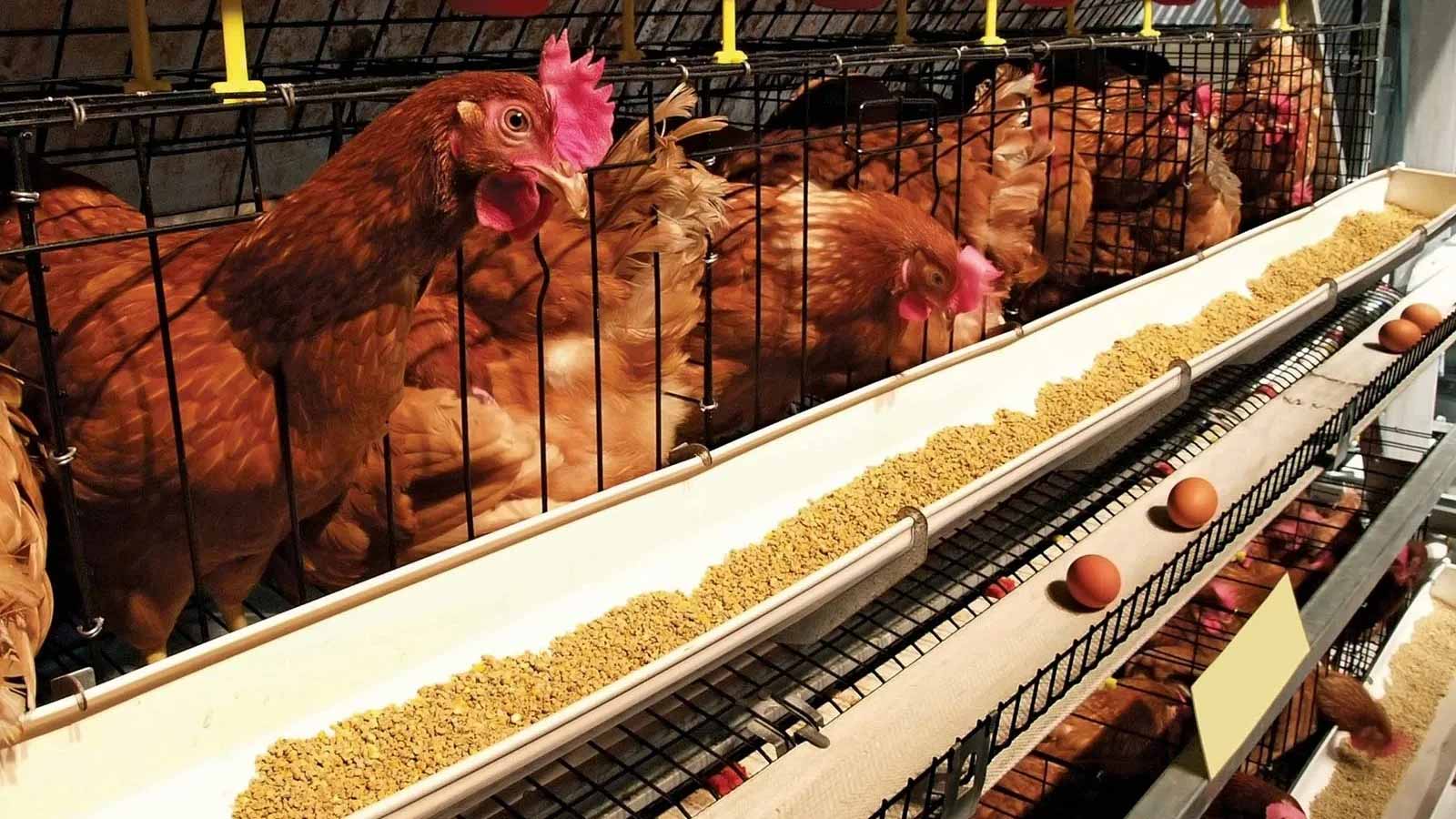
In the quiet village of Bhuapur, the dawn chorus has changed. For over twenty years, Alamgir Hossain woke to the clamor of thousands of chickens. Today, the silence inside his half-empty sheds tells a grimmer story of a thriving business turned unsustainable.Alamgir, who once managed an operation producing 10,000 eggs daily, is now part of a growing wave of small and medium-scale farmers forced to shutter their doors. "It costs me around Tk10 to produce an egg, but I often have to sell it at Tk8," he says. "I can’t survive with losses month after month."A Sector in StagnationThe crisis facing Alamgir mirrors a national trend. Data from the Bangladesh Poultry Industries Association (BPIA) reveals that sector growth has slowed from 4.5% to 3.2% over the last five years. While production costs have more than doubled, market returns have failed to keep pace.The Cost-Revenue Gap (2020 vs. 2025):Item2020 Price2025 Price% IncreasePoultry Feed (per sack)Tk2,100Tk3,500+~65%Wholesale Eggs (per piece)Tk6 – Tk7Tk8 – Tk9~25%Broiler Chicken (per kg)Tk120 – Tk130Tk140 – Tk150~15%Feed now accounts for a staggering 80–85% of total production expenses, leaving farmers with razor-thin or non-existent margins. In Bhaluka, farmer Shafiqul Islam was forced to sell his land to repay debts after closing his 15,000-bird farm. "Between the feed prices, loan installments, and electricity bills, I simply couldn't continue," he lamented.Tax Hikes Deepen the WoundAdding to the burden of rising raw material costs is a shift in the national tax landscape. This fiscal year, the National Board of Revenue (NBR) introduced several significant hikes:Corporate Tax: Increased from 15% to 27.5%.Advance Income Tax (AIT): Rose from 1% to 5%.Turnover Tax: Up from 0.6% to 1%.Industry leaders argue these changes have created a "chain effect," where feed companies pass the tax burden down to the farmers. Mosharraf Hossain Chowdhury, President of the BPIA, noted that Bangladesh’s tax burden is now significantly higher than regional competitors like Thailand, Malaysia, and India, where poultry feed and raw materials often enjoy exemptions or lower duties.The Looming Food Security CrisisThe implications of a collapsing poultry sector extend far beyond the farmers. With an estimated 6 to 7 million people employed directly or indirectly by the industry, the economic stakes are massive.Experts, including Dr. Ripon Kumar Mondal of Sher-e-Bangla Agricultural University, warn that without immediate policy intervention—such as cutting corporate tax to 10% and reducing duties on imported feed ingredients—the protein source for millions of Bangladeshis is at risk."If new investment stops and existing farmers leave, eggs and chicken will become unaffordable for ordinary people," warned Safir Rahman, Secretary General of the BPIA.For farmers like Alamgir, the math is simple and terrifying: "If we cannot survive, there will be no eggs in the market. Then what will people eat?"