Leading business figures have called for a reduction in interest rates and a strategic push for export diversification to safeguard Bangladesh’s global competitiveness, as they voiced concerns over mounting economic challenges during a high-level meeting with Prime Minister Tarique Rahman.
The meeting, held at the Prime Minister’s Office, brought together some of the country’s top industrialists, policymakers, and economic advisors. Participants told The Daily Industry that the discussion marked a significant step toward strengthening public-private collaboration, with the government announcing the formation of a private sector advisory council to address pressing economic issues.
High Interest Rates Hurting Competitiveness: Business leaders expressed deep concern over persistently high lending rates, warning that they are eroding Bangladesh’s competitiveness across a wide range of industries—from traditional sectors like textiles to emerging ones such as semiconductors. A senior industrialist present at the meeting told The Daily Industry, “Long-term high interest rates are increasing the cost of doing business and reducing our ability to compete globally. This is affecting not only manufacturing but also new technology-driven sectors.”
Participants emphasized that in a global market where countries are competing aggressively for investment and export orders, high financing costs put Bangladeshi firms at a disadvantage.
PM Calls for Evidence-Based Policy Reform: In his opening remarks, Prime Minister Tarique Rahman encouraged business leaders to present evidence-based recommendations, drawing on successful policy, legal, and regulatory practices from other countries.
According to officials, the Prime Minister stressed the importance of aligning Bangladesh’s economic policies with global standards to enhance competitiveness and attract foreign investment. A senior government official told The Daily Industry, “The Prime Minister wants practical, data-driven solutions that can be implemented quickly. The goal is to create a business environment that matches international best practices.”
Top Industry Leaders Participate: The meeting was attended by prominent business leaders, including Arif Dowla, Syed Nasim Manzur, Hafizur Rahman Khan, Ahsan Khan Chowdhury, Ziaur Rahman, Abdul Mukitader, Abdul Jabbar, Sohana Rouf Chowdhury, and Syed Mohammad Tanvir. Senior policymakers present included Finance Minister Amir Khosru Mahmud Chowdhury, alongside key officials from the energy, commerce, and investment sectors.
Push for Financial Sector Reforms: Business leaders called for comprehensive reforms in the financial sector, including greater openness in banking and access to foreign borrowing. They recommended allowing domestic firms to secure external financing based on their creditworthiness, which could reduce dependence on local banks and ease pressure on the domestic financial system.
A banking expert told The Daily Industry, “Developing the local bond market is critical. Without alternative financing channels, businesses will remain overly dependent on bank loans, which are currently expensive and limited.” The introduction of digital banking was also highlighted as a way to simplify transactions, enhance financial inclusion, and improve efficiency.
Privatization and Foreign Investment: Participants emphasized the need to revive privatization efforts, particularly in managing underperforming state-owned assets. They also called for opening up the banking and insurance sectors to greater foreign investment.
According to a participant, “Foreign investors bring not only capital but also technology and management expertise. Opening up these sectors can significantly improve efficiency and competitiveness.”
Export Diversification Gains Priority: A major theme of the meeting was the need to diversify Bangladesh’s export base beyond ready-made garments. Business leaders identified several potential growth sectors, including outdoor equipment, light engineering products from regions like Bogura, and the semiconductor industry.
Syed Nasim Manzur told The Daily Industry, “We need to move beyond traditional sectors. Bangladesh has the potential to develop new export industries, but this requires long-term policy support and investment.”
Participants pointed to successful examples from countries like South Korea and Taiwan, where consistent policies have enabled industries such as shipbuilding and semiconductors to flourish.
Global Competition Intensifies: Business leaders noted that Bangladesh is effectively part of a “global beauty contest” for investment, where countries compete on multiple factors, including cost, policy environment, infrastructure, and ease of doing business. They urged the government to benchmark Bangladesh’s regulatory and cost structures against regional competitors such as Vietnam, Cambodia, Indonesia, and India.
A trade policy expert told The Daily Industry, “Cheap labor alone is no longer enough. Investors look at the overall business environment, including logistics, taxation, and regulatory efficiency.”
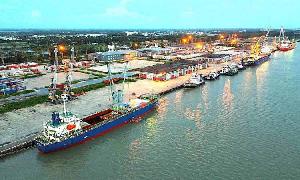
Logistics Bottlenecks Raise Costs: The meeting also highlighted inefficiencies in Bangladesh’s logistics sector, which currently accounts for 15–20 percent of GDP—significantly higher than global averages. Business leaders stressed the need to modernize ports, airports, and transportation infrastructure to reduce costs and improve export competitiveness.
They specifically called for expanding capacity at Chattogram Port, accelerating the Bay Terminal project, and upgrading cargo handling systems at Dhaka’s international airport.
Tax Reforms and Policy Stability: Participants also raised concerns about the complexity of the tax system, urging comprehensive reforms to improve efficiency and compliance. They recommended reducing reliance on trade taxes and strengthening domestic tax mechanisms, along with reconsidering advance income tax and withholding tax policies.
A senior tax consultant told The Daily Industry, “A simplified and predictable tax system is essential for attracting investment and supporting business growth.”
Advisory Council to Bridge Gap: In a significant development, the government announced the formation of a private sector advisory council aimed at strengthening coordination between policymakers and business leaders. Syed Nasim Manzur welcomed the initiative, saying it would create an effective platform for dialogue and problem-solving.
He told The Daily Industry, “The objective is to establish a structured communication channel where issues can be identified and resolved collaboratively, without blame. The Prime Minister has given us ample time and attention, which we deeply appreciate.” He added that a detailed action plan would be prepared within 90 days to address key challenges identified during the meeting.
Government Response:Finance Minister Amir Khosru Mahmud Chowdhury said the government had taken note of the concerns raised by business leaders.Speaking to reporters after the meeting, he said, “We have been hearing about these challenges for some time. The Prime Minister wanted to hear directly from the business community. Many issues have already been addressed, while others will be resolved through continued dialogue.”
Outlook: A Turning Point: The meeting signals a renewed effort by the government to engage with the private sector at a critical juncture for the economy. With high interest rates, slowing exports, and rising global competition, the need for coordinated policy action has become more urgent than ever. As one senior business leader concluded in remarks to The Daily Industry, “This is an opportunity to reset the relationship between the government and the private sector. If we can work together effectively, Bangladesh can overcome its current challenges and unlock new growth potential.”