The interim government has failed to implement much-needed economic and institutional reforms despite strong public expectations following recent political developments, according to prominent economist Debapriya Bhattacharya.
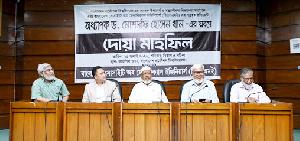
Speaking at a discussion titled "Bangladesh Reform Tracker and the Relevance of Media", Dr. Bhattacharya said reform is an ongoing and essential process for maintaining economic dynamism, but the current administration has not been able to deliver meaningful progress. The event was jointly organized in the capital by the Citizen's Platform for SDGs Bangladesh and the Economic Reporters Forum, bringing together economists, journalists, and policy analysts to assess the country's reform trajectory. Reform Seen as Essential but Lacking: Dr. Bhattacharya emphasized that reforms are not a one-time initiative but a continuous process necessary to keep an economy functional and responsive. "Reform is not a static concept; it is an ongoing process. Just as blood circulation is essential for the human body, reforms are essential to keep an economy dynamic," he said.
However, he expressed concern that the interim government has not been able to meet expectations in advancing reform agendas, particularly at a time when structural weaknesses in the economy are becoming more visible. "The interim government has failed to carry out reforms," he stated, adding that delays in reform implementation could have long-term consequences for economic stability and growth.
Public Aspirations and Reform Momentum: Dr. Bhattacharya noted that recent political movements, particularly those involving students and citizens, have created a renewed demand for change and accountability. This momentum, he said, should have been translated into concrete reform initiatives.
"The spirit that emerged from the recent public movement has strengthened the demand for reforms. There is now a clear expectation from citizens that meaningful changes will be implemented," he said. He added that this growing public awareness and engagement could serve as a foundation for future reform efforts, provided that policymakers respond effectively.
Political Commitment Crucial: Highlighting the role of political leadership, Dr. Bhattacharya said that sustainable reform requires strong commitment from political actors. "To move forward, politicians must take the concept of reform seriously. Without political ownership, reform initiatives cannot be sustained," he said.
He also pointed out that recent election manifestos have attempted to address reform needs, indicating that the issue is gaining importance in political discourse.
Media's Role in Reform Process: The discussion also focused on the role of media in tracking and promoting reforms. Participants noted that transparency, accountability, and public awareness are critical for ensuring that reform commitments are translated into action.
Dr. Bhattacharya stressed that the media can play a vital role in monitoring progress and holding authorities accountable. "The relevance of media lies in its ability to inform citizens and create pressure for reform. A well-informed public can drive change," he said.
Broader Economic Context: The remarks come at a time when Bangladesh is facing multiple economic challenges, including slowing growth, rising inflation, pressure on foreign exchange reserves, and weaknesses in the banking sector. Economists argue that addressing these issues requires comprehensive reforms in areas such as fiscal management, financial sector governance, and institutional capacity. While the interim government has taken some steps, critics say these efforts have fallen short of expectations, particularly in terms of depth and implementation.
Experts Call for Urgent Action: Policy analysts attending the event echoed Dr. Bhattacharya's concerns, warning that delays in reform could exacerbate existing vulnerabilities.
They emphasized the need for a clear roadmap, stronger institutional coordination, and greater transparency in policymaking. "Reform is not optional; it is necessary for survival in a changing global environment," one participant noted during the discussion.
Looking Ahead: As Bangladesh prepares for its next phase of political and economic transition, the question of reform remains central to its development agenda. Dr. Bhattacharya concluded that while the current situation is challenging, it also presents an opportunity for meaningful change.
"The demand for reform is stronger than ever. What is needed now is the political will and institutional capacity to deliver," he said. With growing public expectations and increasing economic pressures, the success or failure of reform efforts is likely to play a crucial role in shaping Bangladesh's future trajectory.