As global delegates at the 13th World Urban Forum (WUF13) in Baku debate blueprints for future-proofing cities under the "Baku Call to Action," Bangladesh's capital, Dhaka, faces a critical trial. Battling overpopulation, severe heatwaves, waterlogging, and an escalating influx of climate refugees, urban planners are asking a fundamental question: Can Dhaka genuinely achieve climate resilience?
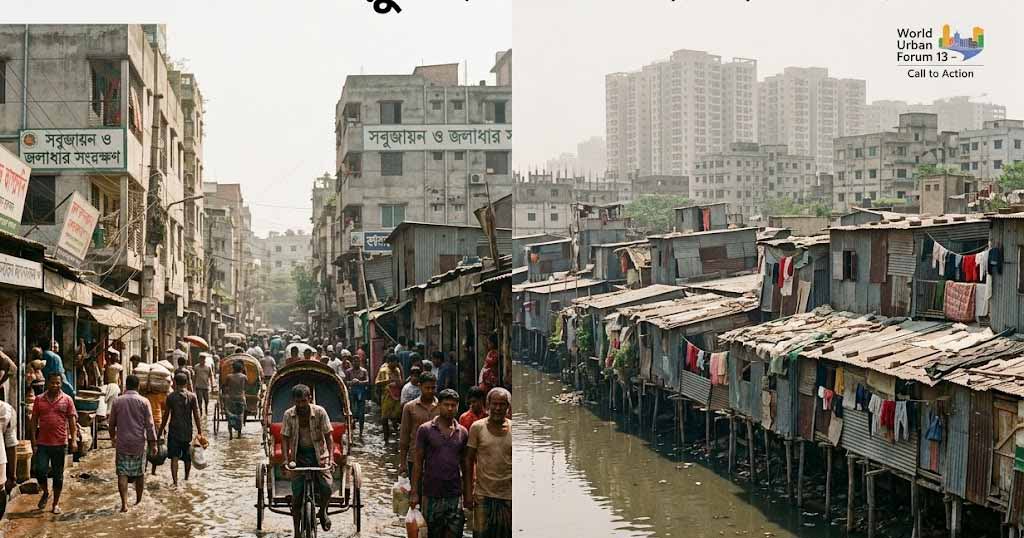
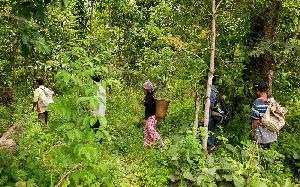
Dhaka has become the primary destination for thousands of internal migrants fleeing Bangladesh’s vulnerable coastal zones, river islands (chars), and erosion-prone riverbanks.
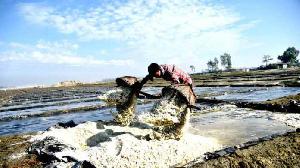
As climate change intensifies cyclones, soil salinity, and flash floods, this rural-to-urban migration is accelerating. The capital’s expansive informal settlements (slums) are bearing the brunt of this population surge, forcing vulnerable communities into a daily battle for basic survival.
Environmentalists and urban experts identify unplanned, concrete-heavy urbanization as Dhaka's greatest systemic threat. The city’s rapid expansion has led to:
Loss of Green Spaces: The critical depletion of open air spaces and natural parks. Disappearing Wetlands: The filling of natural water reservoirs and canals, causing severe waterlogging after even minor rainfall. Urban Heat Islands: Excessive concrete surfaces trapping solar radiation, creating dangerously high localized temperatures that disproportionately impact children, women, the elderly, and low-income day laborers.
"Without immediate, systemic interventions, Dhaka will cross the threshold of habitability for its most vulnerable demographics," warned a local environmental advocate.
Despite these severe vulnerabilities, urban specialists point out that Dhaka possesses actionable pathways to sustainability. Transitioning from a crisis zone to an adaptable megacity requires a pivot toward nature-based and community-driven solutions: Urban Greening: Expanding rooftop gardening, vertical farming, and municipal tree-planting initiatives.Hydrological Restoration: Strictly enforcing laws to protect existing water bodies and reclaiming clogged canal networks.Eco-Friendly Consumption: Promoting jute-based alternatives to combat plastic pollution.Sustainable Transit: Modernizing and expanding low-emission public transportation networks.
As the international community emphasizes people-centered urban planning at WUF13, Dhaka's ongoing struggle serves as a global case study. The city's future depends entirely on whether it can successfully transition from infrastructure-heavy development to climate-conscious, eco-friendly policy execution.